

What Kind of Personal Trainer Is Best for Children?
According to the latest data from the Centers for Disease Control and Prevention (CDC), approximately 19.3% of children and adolescents in the United States are obese. This equates to roughly 13.7 million children and adolescents between the ages of 2 and 19 who are affected by obesity. The prevalence of childhood obesity has increased significantly over the past few decades, and it is now considered one of the most pressing public health concerns facing the United States.
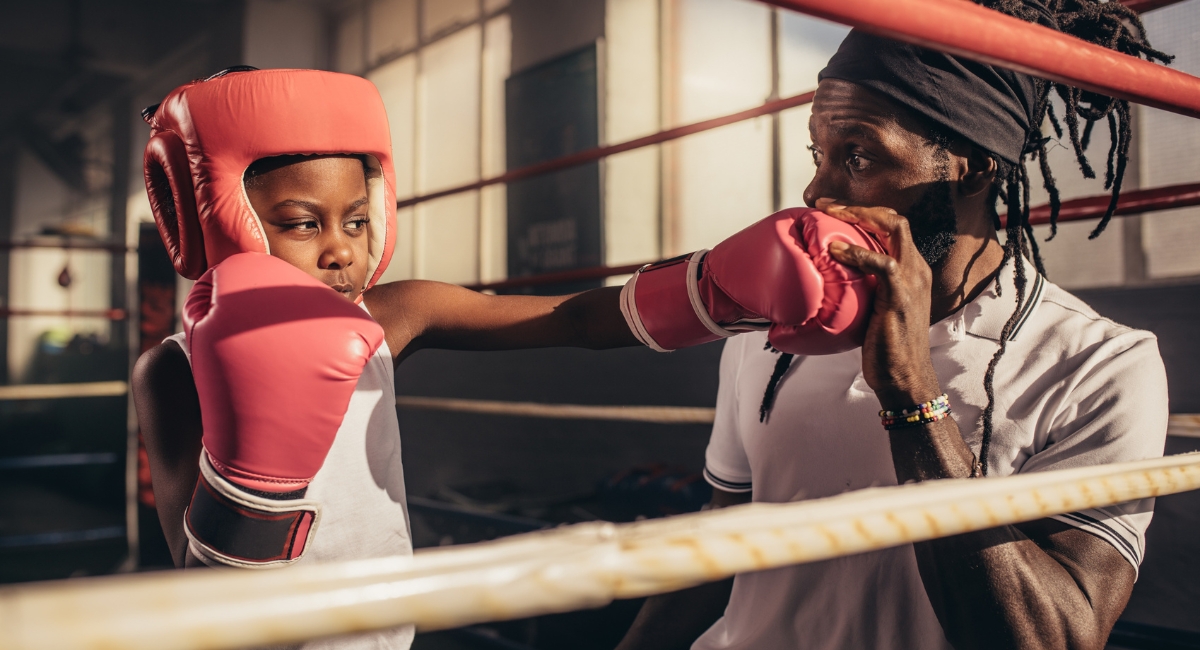
Prevention and treatment of childhood obesity require a comprehensive approach that addresses the underlying causes of this condition. In addition to healthy eating habits and supportive home and school environments, working with a personal trainer means that the child can receive personalized attention and guidance on their fitness goals, which can be especially helpful if they have specific needs or limitations.
As a personal trainer, with specialized knowledge and expertise in fitness, you can design a workout plan that is safe and effective and provide a great way for kids to learn healthy behaviors that will last a lifetime.
Why Would a Child Benefit from Working with a Certified Personal Trainer?
Regimented exercise with a certified personal trainer can be a positive experience for children, helping them develop physical health, discipline, confidence, mental health, and social skills. However, it’s important to ensure that any exercise program is safe, age-appropriate, and enjoyable.
There are several reasons why a child might benefit from working with a personal trainer, but there are also some potential drawbacks to keep in mind.
Pros:
- Promotes physical health: Regular exercise helps children develop strong bones and muscles, improve their cardiovascular health, and maintain a healthy weight. It also helps reduce the risk of chronic diseases such as obesity, type 2 diabetes, and heart disease.
- Builds discipline and structure: Following a structured exercise program can help children develop discipline and establish healthy habits. They learn the importance of sticking to a routine and following a plan, which can translate to other areas of their lives.
- Boosts confidence and self-esteem: Accomplishing fitness goals, such as lifting a certain weight or running a certain distance, can help children feel a sense of pride and accomplishment. This can improve their self-esteem and confidence, which can benefit them in other areas of their lives.
- Improves mental health: Exercise has been shown to improve mood, reduce stress and anxiety, and improve cognitive function in children. Regular exercise can also help reduce the risk of depression and other mental health conditions.
- Provides social opportunities: Participating in regimented exercise programs, such as sports teams or group fitness classes, or one-on-one personal training, can provide children with opportunities to socialize and make new friends. This can help improve their social skills and overall well-being.
Cons:
- Cost: Working with a personal trainer can be expensive, which may be a barrier for some families.
- Dependence on the trainer: If a child becomes too reliant on their personal trainer, they may struggle to maintain their fitness routine on their own.
- Pressure to perform: A personal trainer can provide motivation, but they can also create pressure to perform at a certain level. This pressure may be too much for some kids and could lead to negative feelings toward exercise.
- Possible overtraining: It is important to ensure that children are not overtraining, which can lead to injury and burnout. A personal trainer can help to create an appropriate workout plan, but it is still important to monitor the child’s progress and ensure that they are not pushing themselves too hard.
Do You Have the Right Personality to Work with Children?
Working with children as a personal trainer requires specific personality traits that can help to establish trust with children, and create an enjoyable and safe workout experience.
These are the 5 key personality traits that would make you a good fit to work with kids as a personal trainer:
- Enthusiasm: Kids will be more likely to enjoy exercise if they have a trainer who is enthusiastic and energetic and has a sense of humor. A personal trainer who brings a positive attitude and high energy to their workouts can help to motivate children and keep them engaged, and a sense of humor can help to create a positive and enjoyable workout experience, and can also help to diffuse any tension or stress that may arise during the workout.
- Adaptability: Children have varying abilities and learning styles, and may require modifications or adjustments to their workout plan. A personal trainer who is adaptable and flexible can create a workout plan that is tailored to the child’s specific needs and abilities.
- Creativity: Kids can become bored with repetitive exercises, so a personal trainer who is creative and can come up with new and engaging exercises can help to keep workouts fun and interesting.
- Empathy: Personal trainers who work with children should be able to understand and relate to their experiences, emotions, and challenges. Empathy can help to build trust and establish a positive relationship between the trainer and the child.
- Communication skills: Personal trainers who work with children should be able to communicate effectively and clearly, using language that is appropriate for the child’s age and level of understanding. This can help to ensure that the child understands the instructions and is able to perform the exercises safely and correctly.
Overall, a personal trainer who possesses these personality traits can help to create a fun, safe, and engaging workout experience for children, and can play a key role in helping children develop a lifelong love of fitness and healthy habits.
Where Can a Personal Trainer for Kids Work?
First and foremost, when working with children, it’s important for personal trainers to have specialized training and certification in working with kids and adolescents, as well as knowledge of child development and age-appropriate exercise programs. When looking for employment opportunities, a personal trainer or coach wanting to work with kids can work in various settings, including:
- Gyms and fitness centers: Personal trainers who want to work with young adults and kids can work in gyms and fitness centers that offer youth programs or family fitness classes.
- Schools: Some schools offer physical education programs or after-school fitness classes, where you can work as an instructor.
- Community centers: Community centers often offer youth programs, such as sports teams or fitness classes.
- Private studios: Personal trainers interested in working with children can also work in private studios, offering one-on-one or small group training sessions.
- Online: With the increasing popularity of virtual training, you can offer online coaching and training sessions to children and families.
Tips for Working with Kids as a Personal Trainer
Working with children as a personal trainer can be both rewarding and challenging. While it is important to tailor workouts to suit the specific needs and interests of each child, it is also important to ensure that the workouts are safe and appropriate for their age and fitness level. Here are some tips on how a personal trainer can best work with children:
Keep it Fun
It is essential to build a rapport with the child before starting the workout. Spend some time talking to them and getting to know their interests and hobbies. Children have short attention spans, so it’s important to keep the workouts fun and engaging. Incorporate games and challenges into the workout to keep them interested and motivated. It’s also important to tailor the workouts to the child’s age and fitness level. Younger children may need more breaks and shorter workouts, while older kids may be able to handle longer and more intense sessions.
Incorporate Bodyweight Exercises
Children’s bodies are still developing, so it’s important to avoid heavy weights and focus on bodyweight exercises instead. Bodyweight exercises such as push-ups, squats, and lunges are great for developing strength and coordination. Safety is paramount when working with children, so it’s important to focus on technique and form. Teach them proper technique and correct them if they are performing exercises incorrectly.
Set Achievable and Age-Appropriate Goals
Children may need more time to learn exercises and movements, so it’s important to be patient and not rush them. Encourage them to keep trying and offer positive feedback when they make progress. Setting achievable goals for the child and celebrating their progress is also key. This will help to keep them motivated and engaged.
Keep Parents Informed
It’s important to keep parents informed about their child’s progress and any concerns you may have. This will help to ensure that the child is getting the support they need to succeed.
Working with children as a personal trainer requires a combination of patience, creativity, and expertise. By considering these factors before deciding to work with children as a personal trainer, trainers can ensure that they are prepared to provide safe, effective, and engaging workouts that meet the unique needs of children.
There are numerous career opportunities available to personal trainers who work at gyms, fitness centers or health clubs. Earning your NCCA-Accredited NESTA Personal Fitness Trainer Certification can help you stand out in the field and increase your chances of landing your dream job.
You should also check out the Youth Performance Coaching course for the Spencer Institute. This course is for anyone interested in working with young athletes and organized youth sports teams. As a Youth Performance Coach, you can provide young athletes with the structured and organized training needed to keep our young people active. Coaches help young athletes improve techniques, learn new strategies, and develop a respect for physical fitness.
Be on the lookout for future articles. You will also want to search through the archives of our blog because there are many other articles that go into great depth about a variety of topics.
Here is more information to help you. Read this next lesson on how to feel confident and have a successful interview for your first job at a gym.
There is always something exciting about earning a new training or coaching certification and applying that new knowledge of how you train your clients. This also helps you hit the reset button. Here is a list of current jobs and careers available at fitness centers, health clubs and gyms.
NESTA and Spencer Institute has been helping people like you since 1992. To date, over 65,000 people from around the world have benefited from our various certifications, programs, continuing education courses, and business development systems. We are here for you now and in the future. Feel confident in your decision to work with us as you advance your knowledge and career. We are here for you each step of the way.
That’s it for now.
Take action!
PS: Click here to see many helpful business/career resources