

Key Highlights
- Active rest workouts engage participants and aid rehabilitation without high-intensity stress.
- Incorporating active rest enhances blood circulation, muscle repair, and reduces soreness.
- Foam rolling reduces tension, improves blood circulation, and decreases delayed-onset muscle soreness (DOMS).
- Yoga promotes relaxation and flexibility, improving recovery time and mental focus.
- Walking serves as an accessible active recovery method, enhancing blood circulation and flushing out metabolic waste.
- Swimming provides low-impact muscle relief and cardiovascular benefits, easing pressure on joints.
- Dynamic stretching prepares the body for exercise, enhances flexibility, and reduces injury risks.
- Tai Chi improves balance and mental concentration, particularly beneficial for older adults.
- Light cycling boosts blood circulation and supports recovery, providing a mental break from intense workouts.
- Resistance band exercises maintain strength during recovery with low-impact options that can be done at home.
- Gentle Pilates improves core strength and flexibility while fostering body awareness and stability.
Introduction
Active rest workouts often get sidelined in the quest for peak performance, but they are truly the unsung heroes of effective recovery and long-term fitness success. Imagine integrating these techniques into your training regimen-personal trainers can not only enhance their clients’ rehabilitation but also cultivate a holistic approach to well-being that nurtures both body and mind. Yet, many fitness professionals might ask themselves: how can they master the art of active recovery to genuinely benefit their clients? This article explores nine innovative active rest workouts that promise to elevate recovery, reduce soreness, and keep clients motivated on their fitness journeys. Together, let’s unlock the potential of active rest and transform the way we approach fitness!
NESTA Certified Personal Trainer: Master Active Recovery Techniques
play a crucial role in keeping participants engaged and fostering rehabilitation without the stress of high-intensity workouts. Imagine being a , equipped with the skills to tailor sessions that meet each client’s unique needs. This personalization not only keeps clients motivated but also aligns them with their .
Research reveals that incorporating active rest can , aiding and reducing soreness-elements that are vital for . Think about it: recuperation isn’t just a pause in progress; it’s a fundamental aspect that nurtures growth and endurance in fitness.
By prioritizing , trainers can effectively guide individuals toward their . This approach promotes a , one that embraces both physical and mental well-being. So, as you embark on this journey, remember that every step you take in supporting your clients is a step toward their success-and yours.
Foam Rolling: Enhance Recovery and Flexibility
is more than just a technique; it’s a powerful ally in the journey of and their participants. Imagine the relief that comes from reducing tension and discomfort-this is why deserves a prominent place in . By applying focused pressure to specific tissue groups, trainers can help release built-up tension and , both vital for recovery.
Consider the impact: studies reveal that significantly decreases (DOMS), allowing individuals to bounce back more quickly after intense workouts. For those aspiring to elevate their training, guiding clients to spend at least 30 to 60 seconds on each body region-especially the tight spots-can make all the difference. This practice not only but also nurtures overall , making an essential component of any post-workout regimen.
Encouraging clients to embrace this technique can lead to remarkable healing and improved outcomes in their . So, why not inspire them to take this step? The path to recovery and success is within reach, and is a key that can unlock their potential.
Yoga: Promote Relaxation and Flexibility
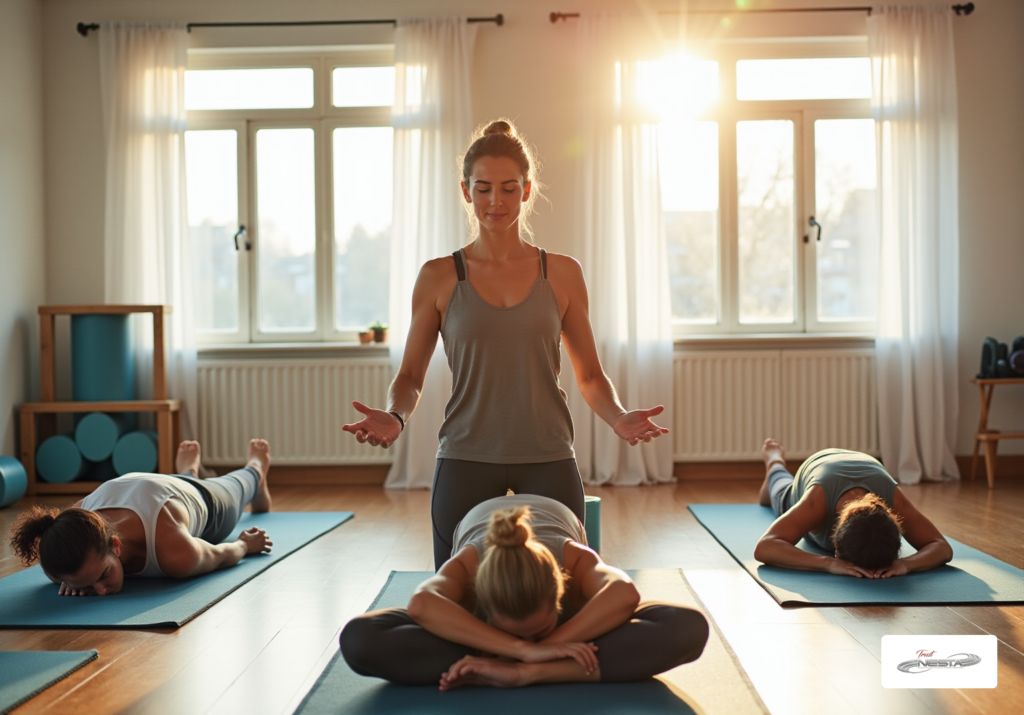
Yoga serves as a powerful tool for relaxation and flexibility, making it an excellent choice for those seeking . Imagine guiding your clients through gentle yoga flows, helping them stretch tight muscles, , and significantly .
Studies reveal that , like the Legs-Up-the-Wall pose, can cut recovery time by up to 30% and improve sleep quality by 20%. But yoga offers more than just physical healing; it fosters mental clarity and focus – key elements for overall well-being. As Dr. Helen Lavretsky points out, yoga and mind-body therapies are adept at reducing inflammation and stress, ultimately .
By incorporating yoga into their , individuals can embrace a , boosting both their physical and mental strength. To seamlessly weave yoga into your clients’ rehabilitation routines, start with a brief session of restorative poses, emphasizing breathwork to deepen relaxation and recovery. This journey not only transforms their bodies but also empowers their minds.
Walking: Simple Active Recovery for All Fitness Levels
Walking is one of the most accessible forms of , inviting clients of all fitness levels to embark on . This gentle yet powerful activity not only but also aids in flushing out metabolic waste and easing muscle soreness. Understanding the phases of – alarm, resistance, and exhaustion – can empower coaches to recognize the vital role of active rest workouts in preventing overtraining and fostering optimal adaptation.
Imagine this: like walking sessions on rest days, highlighting the beauty of maintaining movement without the fear of overexertion. Research reveals that even a can work wonders, significantly enhancing healing by reducing lactic acid buildup and improving nutrient delivery to muscles through the ‘active muscle pump.’ A simple walking program of just 15 to 20 minutes can , positioning it as an effective strategy for active rest workouts and revitalization.
Moreover, in their fitness journey. It’s a customizable experience that caters to personal needs, ensuring that everyone – from heavy lifters to casual exercisers – can benefit from this straightforward yet impactful rehabilitation approach. So, why not take that first step? Embrace the power of walking and inspire others to join you on this path to wellness.
Swimming: Low-Impact Recovery for Muscle Relief
Swimming serves as an incredible , empowering clients to engage their bodies while minimizing the strain associated with gravity. The buoyancy of water eases pressure on joints, fostering relaxation and encouraging healing. Imagine the freedom of movement that comes with swimming-research shows that swimmers enjoy a lower risk of death from all causes compared to runners, walkers, and those who lead sedentary lives. This highlights the profound swimming offers.
Incorporating swimming into rehabilitation routines can dramatically and boost cardiovascular fitness. As LinJie Yang beautifully puts it, ‘Studies establish that regular FS can significantly improve cardiovascular health by increasing heart rate, promoting efficient oxygen utilization, and enhancing overall aerobic fitness.’ By showcasing these remarkable advantages, instructors can guide those they assist toward a more harmonious and enjoyable healing journey.
Moreover, coaches should inspire participants to commit to a . This includes:
- Integrating
- Emphasizing the
After all, every small step taken in this journey can lead to significant strides in health and well-being.
Dynamic Stretching: Maintain Flexibility and Prevent Injuries
is more than just a series of movements; it’s a powerful tool that enhances flexibility and prepares the body for the challenges of exercise. Imagine a integrating dynamic stretches into recovery sessions, significantly improving their clients’ and . This is not just technical knowledge; it’s a pathway to empowerment. After an intense workout, becomes a ritual that enhances blood circulation and activates the body, setting the stage for future training sessions.
Consider routines that include:
- Leg swings
- Walking lunges
- Arm circles
These aren’t just exercises; they elevate muscle temperature and ignite neuromuscular activation, leading to remarkable performance outcomes. Research shows that dedicating just 10-15 minutes to can yield substantial benefits, making it an .
Instructors emphasize that maintaining flexibility through is crucial not only for rehabilitation but also for preparing individuals for the physical challenges ahead. This is vital. As Dr. Jagim wisely notes, ” gets the joints and connective tissues warmed up so you have a full during your workout.”
Moreover, with the among female athletes, incorporating becomes a crucial strategy in . This practice embodies the Specific Adaptations to Imposed Demands (SAID) principle, ensuring that the body adapts effectively to the demands of training. So, let’s embrace as a vital ally on our journey to fitness excellence!
Tai Chi: Enhance Balance and Relaxation
Tai Chi is more than just a low-impact exercise; it’s a journey of transformation characterized by slow, controlled movements that foster relaxation and balance. Imagine older adults practicing Tai Chi, exhibiting balance strategies that mirror those of younger individuals. This isn’t just a coincidence; it’s a testament to in helping maintain stability during life’s challenging moments. By integrating Tai Chi into rehabilitation routines, trainers can significantly enhance their clients’ .
Consider the impact of incorporating . For clients seeking a , this practice can be a game-changer. As Manuel Hernandez wisely notes, ‘Practicing may help older adults compensate for this loss.’ This isn’t merely about physical healing; it’s about nurturing mindfulness and resilience, making Tai Chi a powerful addition to any fitness routine.
And there’s more to celebrate! Tai Chi will debut as an open sport at the National Senior Games in 2025, a clear indication of its growing recognition in the fitness community. This is an exciting opportunity for trainers to embrace a practice that not only uplifts the body but also inspires the spirit. So, why not take this step? Let Tai Chi guide you and your clients on a path of empowerment and well-being.
Light Cycling: Promote Blood Flow and Recovery
stands out as a remarkable way to , all while being gentle on the body. Understanding the (GAS) is crucial for coaches, as it reveals the journey of stress and adaptation that individuals experience during their training: alarm, resistance, and exhaustion. By encouraging individuals to embrace relaxed cycling sessions, trainers can enhance circulation and aid in through , whether on stationary bikes or outdoors, particularly during the resistance phase of GAS. This approach not only fosters physical healing but also provides a mental break from more intense workouts, aligning perfectly with effective training and recovery strategies through .
Moreover, integrating can help individuals by reducing stress and preparing the body for more demanding exercises. It also plays a vital role in rejuvenation during the exhaustion phase, as . Imagine the transformation: as trainers inspire their clients to engage in this gentle yet effective practice, they not only witness physical improvements but also cultivate a sense of well-being and resilience. This journey of is not just about fitness; it’s about empowering individuals to embrace their potential and thrive.
Resistance Band Exercises: Maintain Strength During Recovery
Resistance band exercises serve as a remarkable way to maintain strength during healing phases, especially when we consider the principles of General Adaptation Syndrome (GAS). These bands offer a low-impact option that empowers individuals to activate their bodies while minimizing the risk of injury. Imagine incorporating resistance band routines into – this is essential! They focus on controlled movements that enhance muscle engagement and flexibility, aligning perfectly with .
Take, for instance, the and Banded Glute Bridges. These exercises can be performed in sets of 10-12 repetitions, . By utilizing resistance bands, trainers can truly assist individuals in staying active during , supporting their recovery journey effectively, and ensuring they maintain strength and mobility throughout the rehabilitation process.
What’s more, resistance bands are without the need for costly equipment or large spaces. This makes them a practical solution for anyone looking to enhance their . Furthermore, these bands provide consistent tension throughout movements, which helps build muscle strength gradually and reduces the risk of reinjury.
Aspiring , let’s motivate our clients to integrate these exercises into their routines! By doing so, we can improve their recuperation and maintain strength, applying biomechanical principles to optimize their training programs. It’s also crucial to consider the concepts of overtraining and detraining during the healing process to ensure a balanced approach. Together, we can inspire resilience and strength in every step of the journey.
Gentle Pilates: Support Core Strength and Flexibility
Gentle Pilates serves as a powerful ally in the journey of improving during rehabilitation. Imagine a space where controlled movements and mindful breathwork come together, guiding participants through routines that engage their muscles without the fear of overexertion. This practice not only supports healing but also fosters a deeper awareness of the body and enhances stability. It’s a crucial component of any .
As Joseph Pilates famously said, . It’s about building strength and confidence that reach far beyond the initial challenges faced. Picture the transformation that occurs when individuals embrace this practice, discovering newfound resilience and empowerment.
What’s truly remarkable about Pilates is its flexibility; it welcomes individuals at various , ensuring that everyone can reap the benefits of its . However, it’s essential for clients to , especially those recovering from significant surgeries. This step ensures a safe and effective integration into their recovery, paving the way for a brighter, healthier future.
Conclusion
Active rest workouts are not just beneficial; they are vital for enhancing recovery and nurturing both physical and mental well-being. These techniques empower personal trainers to craft personalized sessions that keep clients motivated and moving forward on their fitness journeys. By weaving active recovery into training regimens, trainers can facilitate muscle repair and alleviate soreness, fostering a holistic view of fitness that champions growth and endurance.
In this article, we’ve explored a variety of active rest workouts, including:
- Foam rolling
- Yoga
- Walking
- Swimming
- Dynamic stretching
- Tai Chi
- Light cycling
- Resistance band exercises
- Gentle Pilates
Each method brings its own unique benefits, from boosting flexibility and easing muscle soreness to enhancing cardiovascular health and preserving strength during recovery. These approaches not only aid in physical rehabilitation but also cultivate mental clarity and resilience, making them invaluable tools for trainers and clients alike.
The importance of incorporating active rest workouts cannot be overstated. By embracing these techniques, trainers can inspire their clients to take proactive steps in their recovery journeys, promoting overall wellness and performance. As the fitness landscape evolves, mastering these active recovery strategies will not only elevate client outcomes but also solidify the trainer’s role as a pivotal guide in their clients’ health and fitness endeavors. So, let’s take that step together-embrace the power of active rest and watch as both trainers and clients flourish on their paths to success.
Frequently Asked Questions
What is the importance of active rest workouts for personal trainers?
Active rest workouts are crucial for keeping participants engaged and facilitating rehabilitation without the stress of high-intensity workouts. They help personalize sessions to meet each client’s unique needs, keeping them motivated and aligned with their fitness goals.
How does active recovery benefit muscle repair and performance?
Incorporating active recovery enhances blood circulation, aids muscle repair, and reduces soreness, which are vital for peak performance. It is an essential aspect of nurturing growth and endurance in fitness.
What role does foam rolling play in recovery?
Foam rolling reduces tension and discomfort by applying focused pressure to specific tissue groups, enhancing blood circulation and significantly decreasing delayed-onset muscle soreness (DOMS). It boosts flexibility and overall muscle health, making it essential for post-workout recovery.
How long should clients spend foam rolling each body region?
Clients should spend at least 30 to 60 seconds on each body region, particularly on tight spots, to maximize the benefits of foam rolling.
What are the benefits of incorporating yoga into active rest workouts?
Yoga promotes relaxation and flexibility, helping clients stretch tight muscles, enhance their range of motion, and reduce stress levels. It can cut recovery time by up to 30% and improve sleep quality by 20%.
How does yoga contribute to mental well-being?
Yoga fosters mental clarity and focus, reduces inflammation and stress, and supports brain health, making it a holistic approach to fitness that boosts both physical and mental strength.
What is a good way to start incorporating yoga into rehabilitation routines?
Begin with a brief session of restorative poses, emphasizing breathwork to deepen relaxation and recovery, which transforms both the body and empowers the mind.
List of Sources
- NESTA Certified Personal Trainer: Master Active Recovery Techniques
- Reevaluating rest: Train smarter by recovering better | CNN (https://cnn.com/2025/05/23/health/recovery-days-training-wellness)
- m.economictimes.com (https://m.economictimes.com/news/new-updates/from-ai-to-mindfulness-5-fitness-trends-to-embrace-in-2025/recovery-first-fitness/slideshow/116067076.cms)
- Rest Days Are Good. Active Recovery Days Can Be Better. (Published 2024) (https://nytimes.com/2024/10/22/well/move/rest-day-workouts-active-recovery.html)
- Rest and recovery are critical for athletes of all ages from students to pros to older adults (https://uchealth.org/today/rest-and-recovery-for-athletes-physiological-psychological-well-being)
- ideafit.com (https://ideafit.com/fitness-recovery-an-evolving-pillar-of-training-and-the-path-to-professional-relevance)
- Foam Rolling: Enhance Recovery and Flexibility
- How Foam Rolling Works and Why It’s Worth Adding to Your Routine (https://latimes.com/fitness/recovery/story/foam-rolling-benefits)
- Benefits and Risks of Foam Rolling (https://stockbridgewellness.org/blog/benefits-and-risks-of-foam-rolling)
- Foam Rolling for Delayed-Onset Muscle Soreness and Recovery of Dynamic Performance Measures – PMC (https://pmc.ncbi.nlm.nih.gov/articles/PMC4299735)
- Blog 1 | American Hip Institute & Orthopedic Specialists Chicago IL (https://benjamindombmd.com/blog/benefits-of-foam-rolling-for-athletes?bp=6751)
- Yoga: Promote Relaxation and Flexibility
- heart.org (https://heart.org/en/news/2025/09/09/yoga-isnt-just-for-flexibility-it-may-also-protect-brain-health)
- Yoga Therapy Initiative Trends for 2025 – Global Wellness Institute (https://globalwellnessinstitute.org/global-wellness-institute-blog/2025/04/02/yoga-therapy-initiative-trends-for-2025)
- The mind-altering power of yoga could improve your mental health (https://bbc.com/future/article/20250124-how-yoga-can-rewire-your-brain-and-improve-your-mental-health)
- m.economictimes.com (https://m.economictimes.com/news/india/5-essential-benefits-of-yoga-for-mental-health/safe-adaptable-practice/slideshow/123563891.cms)
- The Benefits of Yoga for Strength, Flexibility and Recovery in 2025 (https://protyze.com/blogs/workout-and-training/the-benefits-of-yoga-for-strength-flexibility-and-recovery-in-2025?srsltid=AfmBOopfmyVu0vblx13mgPZPRNQV1cGJIkJjOrANdlfKoPiUz-LDxvVQ)
- Walking: Simple Active Recovery for All Fitness Levels
- Basic walking program can help athletes’ recovery (https://news.sanfordhealth.org/orthopedics/basic-walking-program-recovery)
- nmhfc.com (https://nmhfc.com/blog/the-benefits-of-active-recovery-days)
- A fast daily walk could extend your life: study (https://news.vumc.org/2025/07/29/a-fast-daily-walk-could-extend-your-life-study)
- Walking Your Way to Better Health – Baptist Health (https://baptisthealth.com/about/news-center/2025/walking-your-way-to-better-health)
- When it comes to walking for health, longer is better, study suggests (https://nbcnews.com/health/health-news/comes-walking-health-longer-better-study-suggests-rcna240095)
- Swimming: Low-Impact Recovery for Muscle Relief
- Summer Recovery Tips: Why You Should Incorporate Swimming into Your Recovery Plan (https://timtamperformance.com/blogs/holiday/summer-recovery-tips-why-you-should-incorporate-swimming-into-your-recovery-plan)
- Maximize Your Fitness with a Recovery Swim Workout: Tips and Techniques (https://themagic5.com/blogs/news/maximize-your-fitness-with-a-recovery-swim-workout-tips-and-techniques?srsltid=AfmBOorFWA4TvZX6gD1drWewL5ud2po6rxJqRl-bio695wcTFUjvjMFw)
- High-intensity interval swimming improves cardiovascular endurance, while aquatic resistance training enhances muscular strength in older adults – PMC (https://pmc.ncbi.nlm.nih.gov/articles/PMC11502738)
- Recovery Isn’t Just Sleep: The Overlooked Layer Elite Swimmers Are Starting to Optimize (https://swimswam.com/recovery-isnt-just-sleep-the-overlooked-layer-elite-swimmers-are-starting-to-optimize)
- 9 Benefits of Swimming for Fitness and Health – GoodRx (https://goodrx.com/well-being/movement-exercise/benefits-of-swimming?srsltid=AfmBOoqx4TtdLgjf26sPc-IudT7Qp9AP4McbfjcML66neI8OUA_4Jpxw)
- Dynamic Stretching: Maintain Flexibility and Prevent Injuries
- Why Dynamic Stretching Should Be Part of Your Workout Routine – Physical Therapy & Sports Medicine Centers (https://ptsmc.com/be-dynamic)
- Benefits of Dynamic Stretching | New England Baptist Hospital (https://nebh.org/news-stories/all-news-stories/stories/2021/12/benefits-of-dynamic-stretching)
- Does stretching prevent injuries? – Mayo Clinic Press (https://mcpress.mayoclinic.org/nutrition-fitness/does-stretching-prevent-injuries)
- Should you be using dynamic stretches? (https://kansashealthsystem.com/news-room/blog/0001/01/dynamic-stretches)
- Tai Chi: Enhance Balance and Relaxation
- Tai Chi will Debut at the 2025 National Senior Games. Here’s Why All Athletes Should Try It. – National Senior Games Association (https://nsga.com/blog-tai-chi-for-health)
- CI MED Research Tracks the ‘Secret Sauce’ of Tai Chi’s Effect on Balance in Aging (https://medicine.illinois.edu/news/ci-med-research-tracks-the-secret-sauce-of-tai-chis-effect-on-balance-in-aging)
- Science in motion: How tai chi and other traditional therapies are changing healthcare – UT Health San Antonio (https://news.uthscsa.edu/science-in-motion-how-tai-chi-and-other-traditional-therapies-are-changing-healthcare)
- Live Whole Health #291: Create space for stillness through tai chi – VA News (https://news.va.gov/142860/live-whole-health-291-create-space-for-stillness-through-tai-chi)
- How Tai Chi Can Help with Addiction Recovery – Lake Ave Recovery (https://lakeaverecovery.com/how-tai-chi-can-help-with-addiction-recovery)
- Light Cycling: Promote Blood Flow and Recovery
- Cycling into Wellness: How Indoor Cycling Boosts Longevity and Aids Re (https://energym.io/blogs/braingains/cycling-into-wellness-how-indoor-cycling-boosts-longevity-and-aids-rehabilitation?srsltid=AfmBOopy838Csdw_QZwEXfaOyjC–7bO_-NAnCWIzDn9Yk-LhVnTIzQ4)
- betterhealth.vic.gov.au (https://betterhealth.vic.gov.au/health/healthyliving/cycling-health-benefits)
- Active Recovery for Athletes: Unlock 2025 Potential (https://fitnesscfgyms.com/exercise/active-recovery-for-athletes)
- Why cycling is great for your legs, lungs, immune system and mind, plus 11 other great benefits of life on two wheels (https://cyclingweekly.com/news/latest-news/benefits-of-cycling-334144)
- Resistance Band Exercises: Maintain Strength During Recovery
- Low-Impact Workouts Using Bands for Injury Recovery. Why Choose Resistance Bands for Injury Recovery? (https://tribelifting.com/blogs/news/low-impact-workouts-using-bands?srsltid=AfmBOorCeXR5kxOkEPxIUSRAFZvMT0xEc1HlYR4JZ9-DbBlzt__OKgne)
- Resistance Band Training for Strength | Mass General Brigham (https://massgeneralbrigham.org/en/about/newsroom/articles/how-to-build-strength-with-resistance-bands)
- medicalnewsbulletin.com (https://medicalnewsbulletin.com/the-clinical-power-of-resistance-training-for-musculoskeletal-recovery)
- Resistance Bands for Rehabilitation: Safe and Effective Recovery Exerc
– FitCord Resistance Bands (https://fitcord.com/blogs/news/resistance-bands-for-rehabilitation-safe-and-effective-recovery-exercises?srsltid=AfmBOooMay-p3V2kTuKyaATQydaYb0b_0P6iMkZkCIjYrHM6J3c8z9wN) - How Resistance Bands Can Help with Rehabilitation and Strength Building – Novus Health (https://novushealth.co.uk/2024/02/how-resistance-bands-can-help-with-rehabilitation-and-strength-building)
- Gentle Pilates: Support Core Strength and Flexibility
- abc.net.au (https://abc.net.au/news/2019-11-07/pilates-benefits-improving-fitness-and-recovery/11291038)
- How Pilates Supports Rehabilitation and Injury Recovery (https://theplumestudio.com/blog/how-pilates-supports-rehabilitation-and-injury-recovery)
- Why Pilates Is A Great Choice For Your Next Recovery Day (https://ffc.com/pilates-news/why-pilates-is-a-great-choice-for-your-next-recovery-day)
- ‘Strengthen Your Recovery’ Pilates Program (https://bcna.org.au/resources/articles/strengthen-your-recovery-pilates-program)
- Benefits of Pilates for Recovery – Q&A with our Instructor, Mish – Cancer Rehabilitation & Lymphatic Solutions (https://crls.au/benefits-of-pilates-for-recovery)