


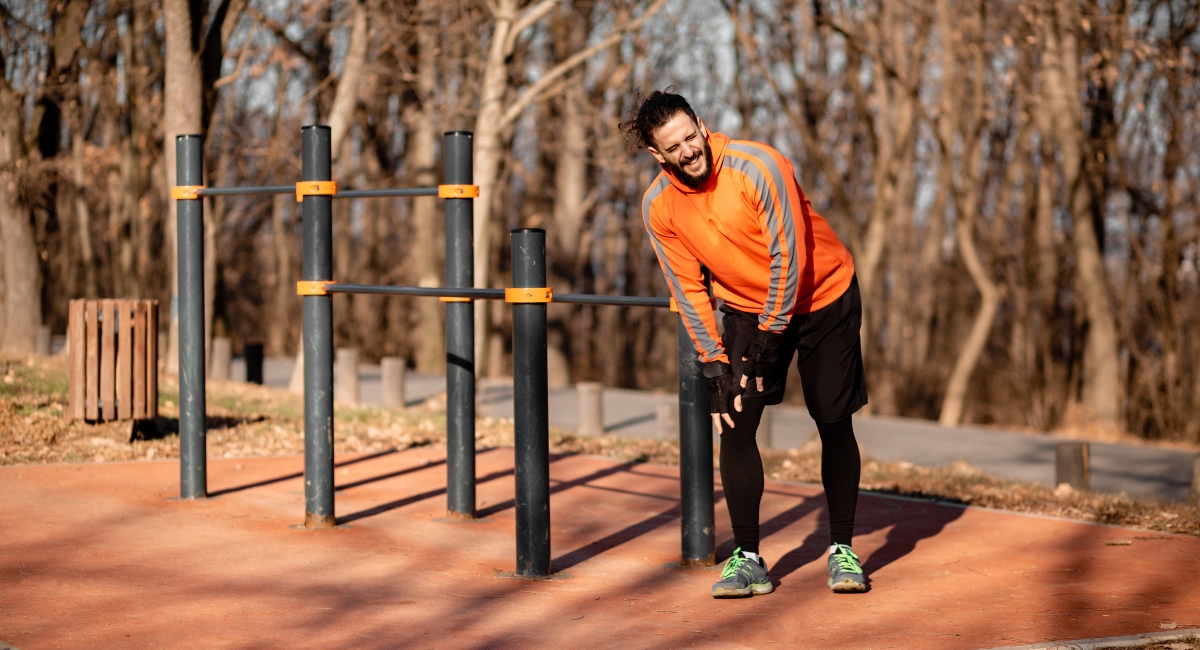
Common Running Injuries, Causes, and Treatments
This is important information that will keep you and your clients safe and healthy regardless of how seriously they take running. You may be a certified running coach, certified triathlon coach, or even a certified personal fitness trainer who has clients who run as part of their weekly training regimen. Regardless, running injuries can occur and often do. It’s important for you to be aware, know when to modify training, stop training, and referred to proper medical professionals if warranted.
What are the Most Common Causes of Running Injuries?
Running is an excellent exercise to maintain good health and fitness. However, it can also lead to injuries if proper precautions are not taken. According to research, running injuries are common, and about 80% of runners experience an injury at some point in their running career. Running injuries can be caused by different factors such as overuse, improper training, improper footwear, and anatomical factors. In some cases, the injuries can occur from simply increasing your running mileage each week. This lesson will discuss the most common running injuries, their causes, and common treatments for each.
Plantar Fasciitis
Plantar fasciitis is a common running injury that results from the inflammation of the plantar fascia, a thick band of tissue that runs from the heel to the toes. The primary cause of plantar fasciitis is overuse or repetitive stress on the plantar fascia. Factors such as improper footwear, a sudden increase in running mileage or intensity, and running on hard surfaces can increase the risk of developing plantar fasciitis. The symptoms of plantar fasciitis include heel pain that is usually worse in the morning or after prolonged sitting. The treatment of plantar fasciitis involves rest, ice, stretching exercises, and proper footwear. In severe cases, a podiatrist may prescribe orthotics or recommend corticosteroid injections to reduce inflammation. Some people lift weights and do other forms of conditioning barefoot to help improve the strengths and proprioception of the foot-ankle complex including the plantar fascia.
Shin Splints
Shin splints are a common running injury that results from the inflammation of the muscles, tendons, and bone tissue in the lower leg. Shin splints are caused by overuse, improper footwear, and running on hard surfaces. The symptoms of shin splints include pain in the lower leg that is usually worse during or after running. The treatment of shin splints involves rest, ice, stretching exercises, and proper footwear. In severe cases, a physician may recommend physical therapy or surgery to repair the damaged tissues. It’s important to note that some types of shin splints are far more severe than others. It’s important to get evaluated if the pain and inflammation persist. Developing compartment syndrome can be very dangerous. In many cases, people may want to consider aquatic training to take all the stress off the lower leg while still mimicking the running gate.
Runner’s Knee
Runner’s knee is a common running injury that results from the irritation of the cartilage under the kneecap. The primary cause of runner’s knee is overuse, improper training, and anatomical factors such as flat feet or weak thigh muscles. You can also add in muscle imbalances. The symptoms of runner’s knee include pain around the kneecap that is usually worse during or after running. The treatment of runner’s knee involves rest, ice, compression, elevation (RICE) therapy, and strengthening exercises for the thigh muscles. In severe cases, a physician may recommend physical therapy or surgery to repair the damaged cartilage. Obviously, your best bet is to progress slowly and do ongoing regular health maintenance.
Achilles Tendinitis
Achilles tendinitis is a common running injury that results from the inflammation of the Achilles tendon, which connects the calf muscles to the heel bone. The primary cause of Achilles tendinitis is overuse or repetitive stress on the tendon. Factors such as a sudden increase in running mileage or intensity, improper footwear, and tight calf muscles can increase the risk of developing Achilles tendinitis. The symptoms of Achilles tendinitis include pain and stiffness in the Achilles tendon that is usually worse in the morning or after prolonged sitting. The treatment of Achilles tendinitis involves rest, ice, compression, elevation (RICE) therapy, and stretching exercises for the calf muscles. In severe cases, a physician may recommend physical therapy or surgery to repair the damaged tendon.
IT Band Syndrome
IT band syndrome is a common running injury that results from the inflammation of the iliotibial band, a thick band of tissue that runs from the hip to the knee. The primary cause of IT band syndrome is overuse or repetitive stress on the iliotibial band. Factors such as improper footwear, running on uneven surfaces, and weak hip muscles can increase the risk of developing IT band syndrome. The symptoms of IT band syndrome include pain on the outside of the knee that is usually worse during or after running. The treatment of IT band syndrome involves rest, ice, compression, elevation (RICE) therapy, and stretching exercises for the IT band and hip muscles. In recent years, there is some debate about whether you should or should not use a foam roller to help IT band syndrome. We feel that it should be evaluated on a case-by-case basis. It’s always good to start with a softer roller. You can progress to one that is firmer. And it’s very important to go slowly. Going to quickly will cause a reaction and contraction, rather than relaxation. Slower is better in most cases. In severe cases, a physician may recommend physical therapy or surgery to repair the damaged tissues.
Stress Fractures
Stress fractures are a common running injury that results from tiny cracks in the bone caused by repetitive stress or overuse. Factors such as a sudden increase in running mileage or intensity, running on hard surfaces, and inadequate rest between training sessions can increase the risk of developing stress fractures. The symptoms of stress fractures include pain, swelling, and tenderness in the affected bone which is usually worse during or after running. The treatment of stress fractures involves rest, ice, compression, and elevation (RICE) therapy, and in some cases, immobilization with a cast or boot. In severe cases, a physician may recommend surgery to repair the damaged bone.
Running injuries are common and can be caused by various factors such as overuse, improper training, and anatomical factors. The most common running injuries include plantar fasciitis, shin splints, runner’s knee, Achilles tendinitis, IT band syndrome, and stress fractures. Early recognition and proper treatment of these injuries can prevent them from becoming chronic and affecting your running performance. The treatment of running injuries involves rest, ice, compression, and elevation (RICE) therapy, stretching exercises, and in some cases, medical intervention such as physical therapy or surgery. It is essential to take precautions to prevent running injuries by using proper footwear, gradually increasing running mileage and intensity, and incorporating strength training exercises into your training routine. By taking these steps, you can continue to enjoy the health benefits of running without the risk of injury.
If you are interested in multi-sports, you will learn a great deal about running coaching with the triathlon coach certification we offer you.
To take a more scientific approach to injury prevention, you may want to also consider the NESTA Biomechanics Specialist Certification.
Is your recertification coming up? Learn more about earning your CEU credits. You can find the full list of CEU courses here.
There is always something exciting about earning a new training or coaching certification and applying that new knowledge of how you train your clients. This also helps you hit the reset button.
NESTA and Spencer Institute coaching programs are open to anyone with a desire to learn and help others. There are no prerequisites.
That’s it for now.
Take action!
PS: Click here to see many helpful business/career resources