

Key Highlights
- Assisted chin-ups are a modified version of pull-ups using machines or resistance bands for support, ideal for beginners.
- The primary muscles worked include the latissimus dorsi, biceps brachii, and brachialis, crucial for upper body strength.
- Secondary muscles engaged include the trapezius, rhomboids, posterior deltoids, and core muscles, contributing to stability and alignment.
- Assisted chin-ups help build confidence, improve grip strength, and encourage proper form for transitioning to unassisted pull-ups.
- Regular practise of assisted chin-ups can significantly enhance upper body strength and muscular endurance.
- The exercise is emphasised by fitness experts as a foundational movement in resistance training, beneficial for all fitness levels.
Introduction
Understanding how assisted chin-ups work is key for anyone wanting to boost their upper body strength. This exercise is a great starting point for beginners in resistance training and effectively targets important muscle groups like the latissimus dorsi and biceps.
But what happens when these muscles team up with secondary support muscles? And how can this insight help trainers guide their clients better?
Delving into the details of assisted chin-ups shows not just their physical benefits but also how they build confidence and resilience. That’s why they’re a must-have in any strength training program.
Define Assisted Chin-Up: An Overview of the Exercise
The assisted pull-up is a modified version of the traditional pull-up. It uses a machine or resistance bands for support, making it easier for beginners. This exercise mainly targets the upper body, with a focus on the [assisted chin-up muscles worked](https://healthline.com/health/assisted-pull-ups), including the latissimus dorsi (lats), biceps, and upper back. Assisted pull-ups are a great way to start [resistance training](https://www.nestacertified.com/10-benefits-of-nest-as-certified-personal-trainer-class/), as they focus on the assisted chin-up muscles worked by allowing users to lift part of their weight. They help individuals build the muscle needed before moving on to unassisted pull-ups.
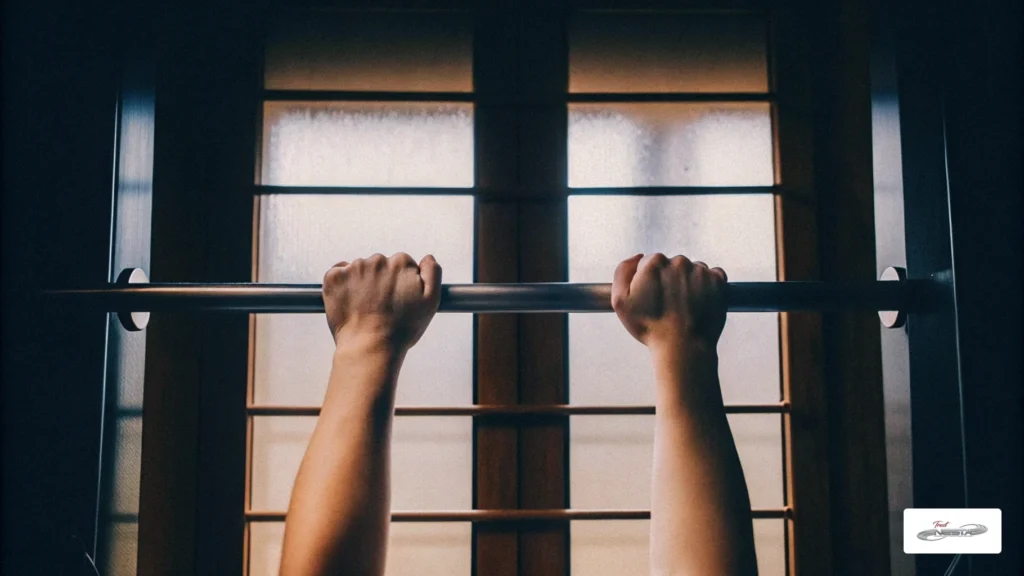
To , grasp a bar with an underhand grip and pull yourself up until your chin is above the bar. This engages the assisted chin-up muscles worked as well as multiple muscle groups in the upper body.
Statistics show that practicing assisted pull-ups regularly can significantly boost [upper body strength](https://healthline.com/health/assisted-pull-ups) and grip. Many beginners report feeling more confident and performing better in their workouts. Case studies highlight that those who include assisted pull-ups in their routines not only gain physical strength but also develop greater mental resilience as they overcome the challenges of bodyweight exercises.
Fitness experts stress the importance of these variations, saying they provide a safe and effective way to build the strength and skills needed for traditional pull-ups, ultimately enhancing the assisted chin-up muscles worked and supporting overall fitness and health.
Identify Primary Muscles Worked in Assisted Chin-Ups
The muscles worked during assisted chin-ups mainly include the latissimus dorsi, biceps brachii, and brachialis. The latissimus dorsi is the key muscle here, driving the pulling action that’s essential for this exercise. The biceps brachii help with elbow flexion, and the brachialis, located beneath the biceps, supports this movement even more. This teamwork not only boosts your upper body strength but also significantly enhances the assisted chin-up muscles worked, thereby improving your overall pulling power.
For aspiring personal trainers, understanding the specific adaptations to imposed demands (SAID) principle is vital. It highlights how important it is to train specifically for your goals. With a growing emphasis on , the exercise that highlights the assisted chin-up muscles worked stands out as a great choice for trainers and fitness enthusiasts eager to improve their muscle engagement and performance.
Explore Secondary Muscles Engaged During Assisted Chin-Ups
The assisted chin-up muscles worked involve not just the main muscles but also several supporting ones, like the trapezius and rhomboids. These muscles are key for keeping your shoulder blades stable and moving correctly during the exercise. The posterior deltoids help with shoulder extension, adding to overall shoulder stability. Plus, your core muscles, including the rectus abdominis and obliques, kick in to keep you aligned and steady while you work out.
The full engagement of both primary and secondary muscles during assisted chin-up muscles worked makes them a great way to boost your upper body strength and stability. They’re an important part of a .
Discuss Benefits of Assisted Chin-Ups for Strength Training
Supported pull-ups are a fantastic way to boost your resistance training, especially if you’re just starting out or want to enhance your upper body strength. They let you build muscle in your lats and biceps without needing to lift your full weight, making them perfect for all fitness levels. Plus, [assisted pull-ups](https://healthline.com/health/assisted-pull-ups) really help improve your grip strength, which is key for a range of upper body exercises. This move also encourages proper form, giving you the skills to .
Adding assisted pull-ups to your workout routine not only increases your muscular endurance but also contributes to overall fitness gains. Many weight training programs effectively include assisted pull-ups, allowing participants to gradually build their strength and confidence. Research shows that beginners who regularly practice assisted pull-ups have a high success rate in transitioning to unassisted versions, with many experiencing significant strength improvements over time.
Fitness trainers emphasize the importance of this exercise:
- “Every step forward counts, no matter how small,”
- “Results happen over time, not overnight. Work hard, stay consistent, and be patient.”
These insights underline the value of assisted chin-up muscles worked as a foundational exercise in any strength training program, making them a must-have for aspiring personal trainers to include in their clients’ routines.
Conclusion
The assisted chin-up is a key exercise for anyone starting their strength training journey. Using machines or resistance bands, this modified pull-up helps you engage your upper body muscles effectively. It builds the strength and confidence needed to move on to unassisted pull-ups. Knowing the muscles worked during assisted chin-ups is essential for trainers who want to boost their clients’ fitness levels.
Key muscles targeted include:
- Latissimus dorsi
- Biceps brachii
- Supporting muscles like the trapezius and rhomboids
This full engagement not only increases upper body strength but also improves muscle coordination and stability, which are vital for a balanced resistance training program. Plus, adding assisted chin-ups to your routine does more than just build physical strength; it also helps develop mental resilience and proper exercise form.
Ultimately, embracing assisted chin-ups is more than just a step toward mastering traditional pull-ups; it’s a commitment to steady improvement and ongoing fitness growth. For trainers and fitness enthusiasts, prioritizing this exercise can lead to real progress in strength training, making it a must-have in any effective fitness plan. Engaging with this foundational movement not only boosts your physical abilities but also creates a sense of achievement and progress that can inspire you to reach your fitness goals.
Frequently Asked Questions
What is an assisted chin-up?
An assisted chin-up is a modified version of the traditional pull-up that uses a machine or resistance bands for support, making it easier for beginners to perform the exercise.
Which muscles are targeted by assisted chin-ups?
Assisted chin-ups primarily target the latissimus dorsi (lats), biceps, and upper back muscles.
How do assisted chin-ups benefit beginners?
Assisted chin-ups help beginners build the muscle strength needed for unassisted pull-ups by allowing them to lift part of their weight, making resistance training more accessible.
How is the assisted chin-up performed?
To perform an assisted chin-up, grasp a bar with an underhand grip and pull yourself up until your chin is above the bar, engaging multiple muscle groups in the upper body.
What are the benefits of practicing assisted chin-ups regularly?
Regular practice of assisted chin-ups can significantly boost upper body strength and grip, and many beginners report increased confidence and improved performance in their workouts.
What additional benefits do assisted chin-ups provide beyond physical strength?
Assisted chin-ups can also help individuals develop greater mental resilience as they overcome the challenges associated with bodyweight exercises.
Why do fitness experts recommend assisted chin-ups?
Fitness experts recommend assisted chin-ups as a safe and effective way to build the strength and skills necessary for traditional pull-ups, enhancing overall fitness and health.