

Key Highlights
- NESTA certification equips trainers with knowledge of active recovery techniques to enhance client performance and prevent injuries.
- Foam rolling improves muscle recovery, flexibility, and reduces delayed onset muscle soreness (DOMS).
- Dynamic stretching enhances blood flow and flexibility, significantly reducing the risk of severe injuries.
- Low-intensity cycling maintains cardiovascular fitness while promoting active recovery and reducing muscle strain.
- Swimming aids recovery by enhancing blood circulation and reducing muscle soreness through buoyancy.
- Yoga integrates mindfulness with physical recovery, promoting flexibility and reducing stress levels.
- Walking boosts circulation and eases muscle stiffness, serving as a simple yet effective active recovery method.
- Active Release Techniques (ART) provide targeted pressure to relieve soft tissue injuries and enhance recovery.
- Contrast baths stimulate recovery by alternating hot and cold water immersion, improving circulation and reducing soreness.
- Massage therapy relieves tension, enhances recovery, and boosts overall well-being through improved circulation and reduced cortisol levels.
Introduction
Active recovery often goes unnoticed in the fitness realm, yet it’s a powerful ally in enhancing performance and preventing injuries. Imagine a world where trainers can guide their clients not just to recover, but to thrive in their fitness journeys. By weaving active recovery techniques into training programs, fitness professionals can empower their clients to embrace recovery as a vital part of their growth. But with a myriad of methods available, how do we choose the ones that truly make a difference? This article explores ten transformative active recovery strategies that can reshape training routines and inspire athletes to unlock their full potential.
NESTA Certification: Master Active Recovery Techniques
Imagine embarking on a journey where every step you take not only enhances your skills but also transforms the lives of those you train. empower instructors with a deep understanding of , which are essential tools for and preventing injuries. By mastering these techniques through our , trainers can offer their clients to help them recover effectively from intense workouts. This isn’t just about recovery; it’s about unlocking the potential for greater .
Think about it: how often do we overlook the in our training programs? This knowledge is vital for that highlight as a cornerstone of success. As you elevate your understanding and skills, you’re not just enhancing your career in ; you’re also inspiring others to reach their own heights. Embrace this opportunity to grow, and watch as you help others achieve their dreams.

Foam Rolling: Enhance Muscle Recovery and Flexibility
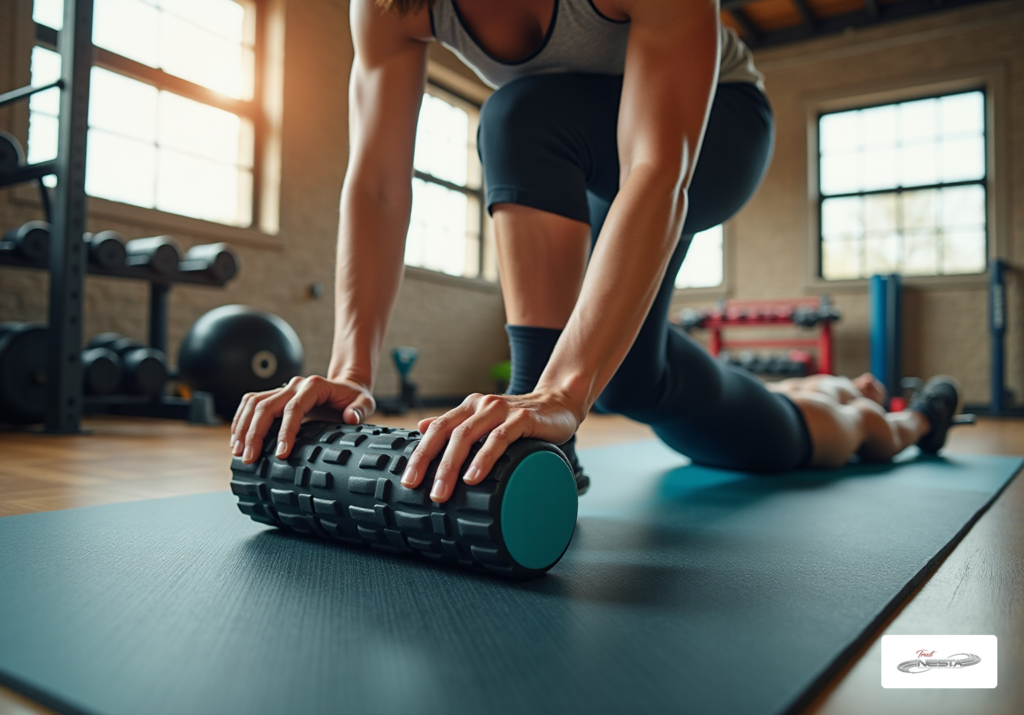
serves as a remarkable , effectively easing tension and discomfort. Imagine applying targeted pressure to specific areas of your body; this simple act not only boosts blood circulation but also significantly . As trainers, you have the unique opportunity to guide your clients in seamlessly integrating into their warm-up and cool-down routines. This practice not only aids in recovery but also prepares their bodies for the challenges of upcoming workouts.
Current research reveals that can instantly improve , with benefits lasting around 10 to 20 minutes. Picture this: dedicating at least 90 seconds to a specific area during can lead to tangible improvements in flexibility and recovery. Moreover, studies show that can (DOMS), making it an essential tool for athletes and fitness enthusiasts alike. Notably, it has been linked to enhanced power, as evidenced by improved broad-jump distances, with a Cohen d range of 0.48 to 0.87.
In practice, trainers can inspire clients by demonstrating effective foam rolling techniques. Encourage them to roll slowly over muscle groups for 30 to 60 seconds, emphasizing controlled movements to prevent injury. Remind your clients to listen to their bodies and adjust pressure as needed, enhancing their overall experience. Ideally, foam rolling should be performed daily or after each training session, but even 2-3 times a week can yield optimal results. Fitness experts agree that , such as incorporating foam rolling into regular training routines, not only support recovery but also , making it a valuable addition to any .
However, it’s important to note that individuals with certain conditions, like osteoporosis or varicose veins, should consult a healthcare provider before starting foam rolling. Additionally, instructors should emphasize the two-step method for foam rolling:
- A neural inhibition stage
- A mobilization stage
This journey of incorporating foam rolling into fitness routines is not just about physical improvement; it’s about empowering clients to embrace their potential and achieve their goals.

Dynamic Stretching: Boost Circulation and Flexibility
is more than just a warm-up; it’s a powerful tool that elevates blood flow and enhances flexibility, making it an essential part of any . Imagine trainers harnessing biomechanical principles to optimize these stretches, and reducing the risk of injuries. Picture exercises like leg swings and arm circles—these movements not only prepare the body for action but also , a key factor in .
Recent studies reveal that can cut the risk of severe injuries by nearly 50%. This is a game-changer for who understand the importance of activating the to enhance overall athletic performance. As Dr. Jagim highlights, clears metabolic byproducts from previous workouts, paving the way for better oxygen and nutrient delivery to the muscles.
Trainers should inspire their clients to engage in 5-8 dynamic stretches, performing 10-12 repetitions each. This preparation is vital for their training sessions. While has its place, it may not be as effective in preventing injuries when done before activity. Therefore, it’s crucial for trainers to advocate for , focusing on the (SAID) to maximize training outcomes. This journey of embracing not only prepares the body but also empowers trainers and their clients to reach new heights in their fitness endeavors.

Low-Intensity Cycling: Maintain Fitness While Recovering
is one of the notable that promote active rejuvenation, enabling individuals to maintain their cardiovascular while easing muscle strain. Imagine trainers guiding their clients through cycling sessions at a comfortable pace, where the focus shifts from intensity to duration. This approach is crucial for . Research reveals that cycling not only helps but also boosts overall during the healing journey. A systematic review has shown that engaging in activities such as cycling, which are , can enhance blood flow and reduce soreness, empowering athletes to recover stronger and more resilient than ever.
the importance of incorporating cycling into as one of the . One expert passionately stated, ‘Active rejuvenation is emerging as a smarter, more effective alternative to passive rest days — and it’s quickly becoming a game-changer in performance and longevity.’ This perspective aligns perfectly with modern exercise science, which champions to foster better outcomes. Just think about it: participating in for 20-45 minutes not only aids in physical restoration but also refreshes the mind, alleviating stress and uplifting mood. By integrating cycling into rehabilitation programs, trainers can help their clients achieve optimal results while nurturing a sustainable approach to .

Swimming: A Gentle Way to Promote Recovery
Swimming is more than just a workout; it’s a powerful ally in the journey of rehabilitation. Imagine gliding through water, where the buoyancy cradles your body, easing soreness and stiffness. This gentle embrace allows for a full range of motion, . Research shows that swimming enhances blood circulation, helping to like lactic acid from your muscles. This means less delayed onset muscle soreness (DOMS) and a quicker return to your best self. In fact, have proven to be the most effective way to clear blood lactate after exercise.
Fitness experts wholeheartedly advocate for in rehabilitation routines. It’s not just about physical recovery; it’s about nurturing the mind too. Picture the stress melting away as you swim, leaving you with an enhanced mood and a renewed spirit. A study even found that swimming can boost performance and reduce muscle inflammation, making it an invaluable addition to any training program. As biohacking and recuperation expert Michael Lyons puts it, “Swimming is a forgiving activity that supercharges blood flow, making it ideal for rejuvenation.”
Real-world stories illustrate the . Many athletes, especially triathletes, utilize active recovery examples such as swimming in their post-intense workout routines, facilitating . By encouraging clients to embrace swimming as part of their rehabilitation journey, coaches can help them achieve a holistic approach to fitness that balances performance with wellness. It’s crucial for coaches to emphasize the importance of , ensuring that injuries are avoided and the benefits of this rejuvenating method are fully realized.
So, why not take the plunge? Embrace swimming as a vital component of your rehabilitation plan and witness the incredible impact it can have on your journey to wellness.

Yoga: Integrate Mindfulness and Recovery
stands as a beacon of , nurturing flexibility, balance, and mindfulness. Imagine incorporating sessions into your rest days as —what a gift that would be! Trainers can empower their clients to through this practice. Picture the soothing Downward-Facing Dog and the comforting Child’s Pose, which serve as designed to , enriching the overall fitness journey.
Research reveals a profound truth: individuals who embrace consistently report , both vital for effective healing. This isn’t just a trend; it’s a . The growing popularity of in rehabilitation programs speaks volumes, as countless acknowledge its invaluable role in enhancing both physical and mental health by providing .
As the movement of continues to flourish, trainers are encouraged to explore as a . It’s not just about physical restoration; it’s about forging a deeper connection between the body and mind. So, why not take that step? Embrace the journey of and inspire your clients to discover the incredible possibilities that lie ahead.

Walking: Simple Movement for Active Recovery
Walking is one of the simple yet powerful that can inspire rejuvenation. This gentle activity not only but also and helps clear out metabolic waste from the body. Imagine the impact of leisurely walks on rest days; they not only uplift physical health but also nurture mental well-being. remind us that ‘the effort you put into recuperation directly correlates with the effectiveness of your training,’ underscoring the importance of incorporating in our recovery routines.
Research shows that walking can ease the soreness that often follows heavy lifting, making it a perfect ally for athletes and fitness enthusiasts alike. Picture this: a five-minute stroll after meals can help , a vital component of overall metabolic health. Experts advocate for walking 150 minutes a week, or 30 minutes five days a week, to truly enhance our health.
By weaving walking into , trainers can empower individuals to maintain their while embracing a . Encourage your clients to adopt a , aiming for at least 30 minutes, as to elevate their recovery process. Together, let’s inspire a movement towards better health and well-being!

Active Release Techniques: Targeted Muscle Recovery
Imagine a world where every has the power to transform their ‘ lives through healing. offer just that—a hands-on approach to tackling soft tissue injuries and tension. By applying targeted pressure and movement, ART not only releases adhesions but also , paving the way for recovery and strength.
As trainers, you have the unique opportunity to integrate ART into your . This isn’t just about techniques; it’s about providing specialized support that can significantly improve your ‘ . Think about the impact you can have—helping someone and regain their mobility is nothing short of inspiring.
Embrace this journey. With ART, you’re not just ; you’re stepping into a role that empowers you to uplift others. Each session becomes a chance to witness transformation, to see your thrive as they conquer their challenges. So, are you ready to take this step and ? The path to becoming a more effective trainer is within your reach, and the rewards are immeasurable.

Contrast Baths: Stimulate Recovery Through Temperature Changes
Imagine stepping into a world where healing and performance intertwine seamlessly. , a remarkable practice of alternating between hot and cold water immersion, serve as a powerful ally in this journey. They not only stimulate blood circulation but also significantly , making them an essential tool for anyone dedicated to their fitness goals. After an intense workout, this method shines, enhancing circulation and promoting quicker recovery. It aligns beautifully with the principles of , which guides us through the stages of alarm, resistance, and exhaustion.
Research reveals that dedicating just 15-20 minutes to contrast therapy can lead to and a reduction in . This makes it one of the key in the rehabilitation routines of countless athletes. As , it’s vital to empower clients with the knowledge of how to safely perform at home. A typical protocol might involve:
- 3-5 minutes in warm water
- 1-3 minutes in cold water
This is repeated several times. This rhythmic dance of temperatures not only flushes out but also enhances nutrient transport to fatigued tissues, paving the way for and supporting the resistance phase of GAS.
Experts, including MDs and sports medicine professionals, champion the use of contrast therapy, underscoring its effectiveness in . Studies have shown that these baths can increase intramuscular oxygenated blood volume, a crucial element for muscle repair and restoration. By integrating such as into their training routines, can guide individuals toward maximizing their recovery, minimizing discomfort, and elevating their performance to new heights. As trainers, it’s essential to encourage clients to listen to their bodies, adjusting the duration of each phase based on their comfort levels. This journey is not just about physical recovery; it’s about inspiring resilience and fostering a deeper connection to one’s fitness journey.

Massage Therapy: Relieve Tension and Enhance Recovery
serves as a powerful ally in the quest for wellness, offering relief from tension, boosting circulation, and aiding recovery for athletes and fitness enthusiasts alike. Imagine the difference regular massage sessions can make—significantly reducing soreness and enhancing flexibility, they become an essential part of any rehabilitation plan. Consider this: a study revealed that athletes who engaged in bi-weekly experienced remarkable improvements in performance and recovery, particularly in team and strength sports. With performance enhancements recorded at F = 6.61, p = 0.004, and of 12% and 16% compared to the control group, the evidence is compelling. As trainers, encouraging clients to explore various massage techniques, like and deep tissue therapy, can help them discover the most effective methods tailored to their unique healing needs.
Current research shines a light on the , showing that it activates the parasympathetic nervous system. This activation not only lowers cortisol levels but also enhances overall well-being. Picture this: as tissue recuperation occurs, mental well-being flourishes, with serotonin and dopamine levels rising—neurotransmitters that bring happiness and relaxation. Experts in the field emphasize that integrating into training regimens can lead to improved focus, energy, and overall performance. Isn’t it inspiring to think about how such a simple addition can elevate one’s journey?
Moreover, the latest trends in underscore its vital role as one of the . Many coaches now embrace massage as a standard practice in their training programs, recognizing its effectiveness in managing muscle tension and enhancing flexibility. Interestingly, research has shown gender differences in the perceived effectiveness of , with a significant chi-square result of χ = 9.46, p = 0.024, highlighting the diverse perceptions among different demographics. By staying informed about these developments, coaches can better support individuals in achieving their . To truly maximize the benefits, trainers should inspire clients to weave into their and educate them on its myriad advantages. Together, let’s embrace this journey towards optimal health and performance!

Conclusion
Embracing active recovery techniques is vital for anyone committed to enhancing their fitness journey. This article has delved into a range of effective methods—from foam rolling and dynamic stretching to swimming and massage therapy—all crafted to facilitate recovery while elevating overall performance. By weaving these practices into training programs, trainers can not only enhance their clients’ recovery processes but also ignite a spark that inspires them to reach new heights in their fitness endeavors.
Key insights from our discussion underscore the importance of integrating active recovery examples into rehabilitation routines. Techniques like:
- Low-intensity cycling
- Yoga
- Contrast baths
have shown remarkable results in alleviating muscle soreness, boosting flexibility, and nurturing mental well-being. Each method stands as a powerful tool for trainers, empowering them to guide their clients toward a more holistic approach to health and fitness.
Ultimately, the significance of active recovery is profound. As the fitness landscape evolves, incorporating these techniques will not only promote better recovery but also foster a deeper connection between body and mind. Trainers and fitness enthusiasts alike are encouraged to embrace these practices, paving the way for a sustainable and effective fitness journey that prioritizes recovery as a cornerstone of training success. Are you ready to take that step forward?
Frequently Asked Questions
What is NESTA certification and its significance for trainers?
NESTA certification programs empower instructors with a deep understanding of active recovery techniques, essential for boosting performance and preventing injuries. By mastering these techniques, trainers can help clients recover effectively from intense workouts and enhance their overall performance.
How does foam rolling contribute to muscle recovery?
Foam rolling is a self-myofascial release method that eases tension and discomfort, boosts blood circulation, and enhances flexibility. It can improve joint range of motion and reduce delayed onset muscle soreness (DOMS), making it a valuable tool for recovery and performance.
What are the recommended practices for foam rolling?
Trainers should encourage clients to roll slowly over muscle groups for 30 to 60 seconds and listen to their bodies to adjust pressure as needed. Foam rolling is ideally done daily or after each training session, but even 2-3 times a week can yield optimal results.
Are there any precautions to consider before starting foam rolling?
Individuals with certain conditions, such as osteoporosis or varicose veins, should consult a healthcare provider before starting foam rolling.
What is dynamic stretching and its benefits?
Dynamic stretching is a warm-up technique that elevates blood flow and enhances flexibility. It prepares the body for action, enhances joint mobility, and can significantly reduce the risk of severe injuries by nearly 50%.
How should trainers implement dynamic stretching in workouts?
Trainers should guide clients to engage in 5-8 dynamic stretches, performing 10-12 repetitions each, as part of their pre-workout routine to optimize performance and reduce injury risk.
How does dynamic stretching differ from static stretching?
While static stretching has its benefits, it may not be as effective in preventing injuries when done before activity. Dynamic stretching is more effective for activating the neuromuscular system and preparing the body for training.
List of Sources
- NESTA Certification: Master Active Recovery Techniques
- Active Recovery for Athletes: Unlock 2025 Potential (https://fitnesscfgyms.com/exercise/active-recovery-for-athletes)
- More Than a Cooldown: Why Recovery is Essential in Modern Fitness (https://clubsolutionsmagazine.com/2025/07/more-than-a-cooldown-why-recovery-is-essential-in-modern-fitness)
- pmc.ncbi.nlm.nih.gov (https://pmc.ncbi.nlm.nih.gov/articles/PMC11057610)
- journals.lww.com (https://journals.lww.com/nsca-jscr/fulltext/2019/08000/a_systematic_review_on_the_effectiveness_of_active.26.aspx)
- Recovery Is the Next Frontier for Personal Trainers (https://athletechnews.com/recovery-is-the-next-frontier-for-personal-trainers)
- Foam Rolling: Enhance Muscle Recovery and Flexibility
- Benefits and Risks of Foam Rolling (https://nmkishhwc.com/blog/benefits-and-risks-of-foam-rolling)
- Recovery effect of self‐myofascial release treatment using different type of a foam rollers – Scientific Reports (https://nature.com/articles/s41598-024-66577-x)
- Foam Rolling for Delayed-Onset Muscle Soreness and Recovery of Dynamic Performance Measures – PMC (https://pmc.ncbi.nlm.nih.gov/articles/PMC4299735)
- Blog 1 | American Hip Institute & Orthopedic Specialists Chicago IL (https://benjamindombmd.com/blog/benefits-of-foam-rolling-for-athletes?bp=6751)
- How Foam Rolling Works and Why It’s Worth Adding to Your Routine (https://latimes.com/fitness/recovery/story/foam-rolling-benefits)
- Dynamic Stretching: Boost Circulation and Flexibility
- Dynamic vs Static Stretching Guide | True Sports PT (https://truesportsphysicaltherapy.com/blogs/dynamic-vs-static-stretching-a-guide-to-peak-athletic-performance)
- Potential Effects of Dynamic Stretching on Injury Incidence of Athletes: A Narrative Review of Risk Factors – PMC (https://pmc.ncbi.nlm.nih.gov/articles/PMC10289929)
- Does stretching prevent injuries? – Mayo Clinic Press (https://mcpress.mayoclinic.org/nutrition-fitness/does-stretching-prevent-injuries)
- Acute Effects of Dynamic and Ballistic Stretching on Flexibility: A Systematic Review and Meta-analysis – PMC (https://pmc.ncbi.nlm.nih.gov/articles/PMC12131144)
- stretchauthority.com (https://stretchauthority.com/quotes-from-goats)
- Low-Intensity Cycling: Maintain Fitness While Recovering
- Cycling workouts: the best low impact exercise for injured runners – JOYFIT INC. (https://pitpatfitness.com/cycling-workouts-the-best-low-impact-exercise-for-injured-runners.html)
- Effects of Individualized Low-Intensity Exercise and Its Duration on Recovery Ability in Adults – PMC (https://pmc.ncbi.nlm.nih.gov/articles/PMC7999698)
- Beyond the Gym: Why Cycling Is the Best Cross-Training Tool – Bikesdirect Official Blog and Bicycle Industry Insider News (https://bikesdirect.com/blog/cross-training/beyond-the-gym-why-cycling-is-the-best-cross-training-tool?srsltid=AfmBOopwL9IkuIjvEKbnLT5zZfNbjmBlkblxBJMZfHhteWXwz_ittjIJ)
- Health Benefits of Indoor Cycling: A Systematic Review – PMC (https://pmc.ncbi.nlm.nih.gov/articles/PMC6722762)
- Active Recovery Is the New Rest Day — Here’s Why (https://sunnyhealthfitness.com/blogs/health-wellness/active-recovery?srsltid=AfmBOopBtOY6YAwGcOnTqrysAZZB6sfMSpjDsJ33BY36sKesH8f8vb5r)
- Swimming: A Gentle Way to Promote Recovery
- Just Keep Swimming: 9 Health Benefits of Water Workouts (https://health.clevelandclinic.org/swimming-joint-friendly-and-good-for-the-heart)
- Swimming and recovery (Current for 2022) | Recovery Systems (https://recoverysystemssport.com/swimming-and-recovery?srsltid=AfmBOornaibhmHfNbx0J9rQTFmwUwleSA_IaPac1MXld8WUkCMQH1WQl)
- Summer Recovery Tips: Why You Should Incorporate Swimming into Your Recovery Plan (https://timtamperformance.com/blogs/holiday/summer-recovery-tips-why-you-should-incorporate-swimming-into-your-recovery-plan)
- Active Recovery for Athletes: Unlock 2025 Potential (https://fitnesscfgyms.com/exercise/active-recovery-for-athletes)
- cdc.gov (https://cdc.gov/healthy-swimming/about)
- Yoga: Integrate Mindfulness and Recovery
- health.harvard.edu (https://health.harvard.edu/staying-healthy/yoga-benefits-beyond-the-mat)
- nmhfc.com (https://nmhfc.com/blog/the-benefits-of-active-recovery-days)
- The Health Benefits of Practicing Yoga (https://webmd.com/balance/the-health-benefits-of-yoga)
- pliability | (https://pliability.com/stories/is-yoga-active-recovery)
- (PDF) Effects of yoga on flexibility and balance: a quasi-experimental study (https://researchgate.net/publication/319347014_Effects_of_yoga_on_flexibility_and_balance_a_quasi-experimental_study)
- Walking: Simple Movement for Active Recovery
- Reevaluating rest: Train smarter by recovering better | CNN (https://cnn.com/2025/05/23/health/recovery-days-training-wellness)
- 5 Surprising Benefits of Walking (https://dartmouth-health.org/articles/5-surprising-benefits-walking)
- Basic walking program can help athletes’ recovery (https://news.sanfordhealth.org/orthopedics/basic-walking-program-recovery)
- 5 surprising benefits of walking – Harvard Health (https://health.harvard.edu/staying-healthy/5-surprising-benefits-of-walking)
- pmc.ncbi.nlm.nih.gov (https://pmc.ncbi.nlm.nih.gov/articles/PMC10643563)
- Active Release Techniques: Targeted Muscle Recovery
- Effects of the active release technique on pain and range of motion of patients with chronic neck pain – PMC (https://pmc.ncbi.nlm.nih.gov/articles/PMC4563290)
- Active release therapy: Purpose, technique, and efficacy (https://medicalnewstoday.com/articles/active-release-therapy)
- The Benefits of Active Release Technique (A.R.T.) in Sports Injury Rehabilitation (https://summitsportsandspine.com/blog/the-benefits-of-active-release-technique-a-r-t-in-sports-injury-rehabilitation)
- Active Release Technique (ART) Benefits for Pain Relief (https://occmedpartners.com/blog/benefits-of-active-release-technique-art)
- Active Release Techniques (https://physio-pedia.com/Active_Release_Techniques)
- Contrast Baths: Stimulate Recovery Through Temperature Changes
- Contrast Baths, Intramuscular Hemodynamics, and Oxygenation as Monitored by Near-Infrared Spectroscopy – PMC (https://pmc.ncbi.nlm.nih.gov/articles/PMC6188085)
- 11 Benefits Of Contrast Therapy For Every Fitness Enthusiast (https://steamandsaunaexperts.com/blog/benefits-of-contrast-therapy?srsltid=AfmBOor7kBXjiThZcUGnEqygwwwRukcAIFJPctrsPWUzKb9-o3GpdRW5)
- Discover the Benefits of Contrast Hydrotherapy (https://aanmc.org/natural-remedies/contrast-hydrotherapy-benefits)
- Benefits of Hot and Cold Contrast Therapy Baths (https://verywellhealth.com/contrast-bath-in-physical-therapy-2696628)
- Massage Therapy: Relieve Tension and Enhance Recovery
- nhi.edu (https://nhi.edu/massage-therapy-profession-stats)
- mdpi.com (https://mdpi.com/1660-4601/22/5/742)
- Acute effects of static stretching and massage on flexibility and jumping performance – PMC (https://pmc.ncbi.nlm.nih.gov/articles/PMC7716682)
- Deep Tissue Massage Therapy: Effects on Muscle Recovery and Performance in Athletes – PMC (https://pmc.ncbi.nlm.nih.gov/articles/PMC12140169)
- 💆♀️ Massage Therapy In 2025: Discover The Healing Power Of Soft Tissue Therapy & Therapeutic Care (https://beyondhealingcounseling.com/massage-therapy-healing-benefits-2025)