

Key Highlights
- To become a certified personal trainer, candidates must be at least 18 years old, possess a high school diploma, and obtain CPR/AED certification.
- Personal training requires a more significant commitment and formal certification compared to roles like group exercise instructors and wellness coaches.
- Alternative fitness careers, such as group exercise teachers and wellness coaches, often have fewer certification requirements, making them more accessible.
- Personal trainers create tailored exercise plans and provide ongoing client support, while wellness coaches focus on lifestyle and nutrition changes.
- Job opportunities for personal trainers are expected to grow due to increasing health and wellness awareness, with a projected 10% increase from 2016 to 2026.
- Support and development opportunities for personal trainers include specialised courses and job boards, while group exercise instructors receive training from their facilities, and wellness coaches often seek their own development.
- The rising demand for qualified fitness professionals reflects a broader trend towards holistic health and community involvement.
Introduction
The fitness industry is changing fast, offering many career paths for those who love health and wellness. While many aspiring fitness professionals dream of becoming personal trainers, roles like group exercise instructors and wellness coaches are also on the rise. These positions are appealing because they are more accessible and come with varied responsibilities.
So, what should you think about when deciding between personal training and these new opportunities? Looking into the following factors can help you make informed choices in this exciting field:
- Certification requirements
- Job duties
- Support available in each role
Understand Certification Requirements for Personal Trainers
To become a certified personal trainer, candidates usually need to meet some key requirements. You must be at least 18 years old, have a high school diploma or equivalent, and get CPR/AED certification. The NESTA Certified Personal Trainer Course shows how important it is to have a solid foundation in health and safety.
On the other hand, other health professions, like group exercise instructors or wellness coaches, often have fewer requirements. Some roles might only ask for a basic understanding of exercise principles or specific training in a niche area, making them easier to access for those without formal education in the field.
This comparison shows that while personal training provides a clear professional path, it also demands more commitment and certification, which can significantly influence the choices of those looking to become a personal trainer vs alternatives.
Explore Alternative Career Paths in the Fitness Industry
The wellness sector provides various career paths, allowing individuals to explore options to become a personal trainer vs alternatives to traditional personal training. Roles like:
- Group exercise teacher
- Wellness coach
- Health writer
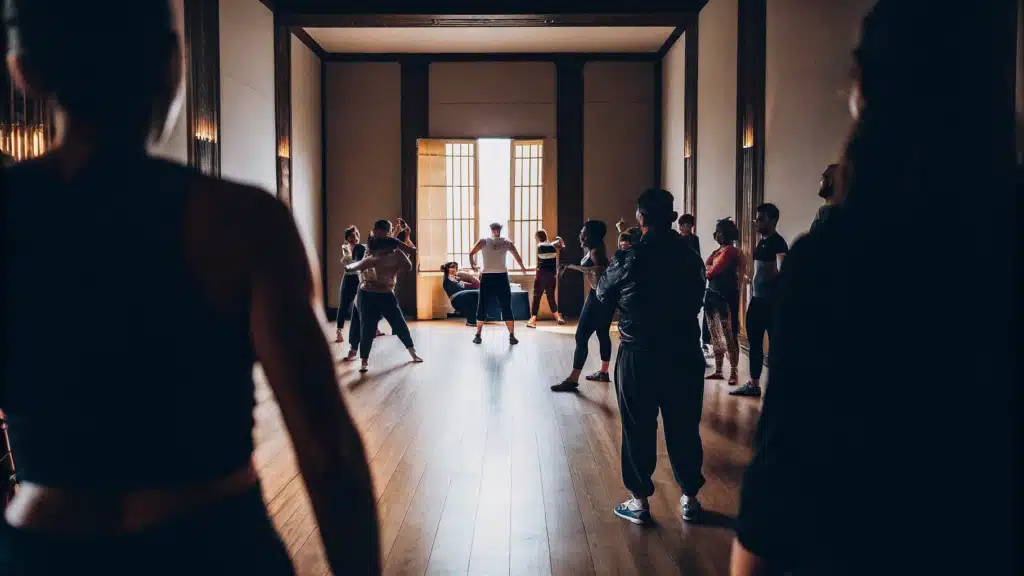
are becoming more popular. Group exercise leaders run energetic sessions for various ability levels, creating an inclusive atmosphere for everyone. On the other hand, wellness coaches take a holistic approach, focusing on nutrition and lifestyle changes to boost overall health and well-being. Health writers play a key role by crafting informative content that educates and motivates people about wellness and exercise topics.
These alternative roles often need less formal certification compared to how to become a personal trainer vs alternatives, making them easier to pursue. For instance, aspiring group fitness teachers might only need to complete a short training program, while wellness coaches can build their skills through specialized courses in nutrition and behavior change. This variety in career paths allows individuals to align their professional goals with their personal interests and strengths, meeting the evolving demands of the wellness sector. As the sector grows, the need for qualified group exercise instructors and wellness coaches is expected to rise, reflecting a broader trend toward holistic health and community involvement in physical activity.
Compare Job Responsibilities and Market Demand
Personal coaches create tailored exercise plans, assess health, and offer ongoing support to clients. They usually work in gyms, fitness studios, or as independent contractors. The need for individuals to consider how to become a personal trainer vs alternatives is strong, with job opportunities expected to grow as more people focus on health and wellness.
On the other hand, wellness coaches help with lifestyle changes and nutrition, while individuals considering whether to become a personal trainer vs alternatives may lead classes for larger groups. The demand for these roles is also increasing, especially as people look for community-based fitness options.
By understanding the specific responsibilities and market needs for each role, aspiring trainers can align their goals with current industry trends.
Evaluate Support and Development Opportunities
Support and development opportunities are key for personal coaches who want to excel in their careers. NESTA provides a solid framework for ongoing education, offering specialized courses like the Biomechanics Specialist Certificate, a business curriculum to boost leadership skills, and a job board that connects educators with potential employers. This well-rounded approach helps trainers stay updated on industry trends and continuously improve their skills.
For instance, the U.S. Bureau of Labor Statistics predicts a 10% increase in trainers from 2016 to 2026, which means about 330,000 people will be in the field, highlighting how competitive this industry is.
On the other hand, when considering whether to become a personal trainer vs alternatives like group exercise instructors or health coaches, the level of support offered might differ.
- Group exercise instructors usually get training through their fitness facilities.
- Wellness coaches often have to find their own professional development opportunities.
The growing demand for lifestyle and habit coaching shows just how important it is for educators to keep learning. The availability and quality of support can greatly impact career growth, making it crucial for aspiring trainers to evaluate the resources related to their choice to become a personal trainer vs alternatives. By thoughtfully considering these opportunities, individuals can set themselves up for success in the competitive fitness industry.
Conclusion
Choosing to become a personal trainer opens up a rewarding career in the fitness industry, but it also requires a commitment to certification and ongoing education. If you’re considering this path, it’s important to understand the rigorous requirements and the knowledge you’ll need to make an informed decision. On the other hand, roles like group exercise instructors or wellness coaches offer easier entry points, attracting a wider range of individuals who are passionate about health and fitness.
Throughout this article, we’ve highlighted the distinct responsibilities and market demands for personal trainers compared to other paths. Personal trainers create individualized fitness plans and provide client support, while wellness coaches and group exercise instructors focus on broader audiences, promoting lifestyle changes and community engagement. The growing demand for all these roles shows a trend towards holistic health and fitness, encouraging aspiring professionals to align their career goals with market needs.
Ultimately, the choice between becoming a personal trainer or exploring other fitness careers depends on your individual goals, interests, and the level of commitment you’re ready to invest. The fitness industry is evolving, and so are the opportunities for personal and professional growth. Aspiring trainers should research their options, consider certification requirements, and evaluate the support available to ensure they start a fulfilling career path that resonates with their passion for health and wellness.