


Mastering the Art of Push-Ups: Comprehensive Guide to Variation, Muscles Targeted, and Modifications
Push-ups are a timeless and versatile bodyweight exercise that has stood the test of time as an effective means of developing upper body strength and overall fitness. This comprehensive guide explores a variety of push-up variations, delves into specific hand, foot, and body positions for each type, and highlights the primary muscles targeted in each variation. Additionally, we will discuss how beginners can modify push-ups to build strength progressively and explore how resistance bands or stability balls can be incorporated to add even more diversity to this classic exercise.
Standard Push-Up: Foundation of Strength
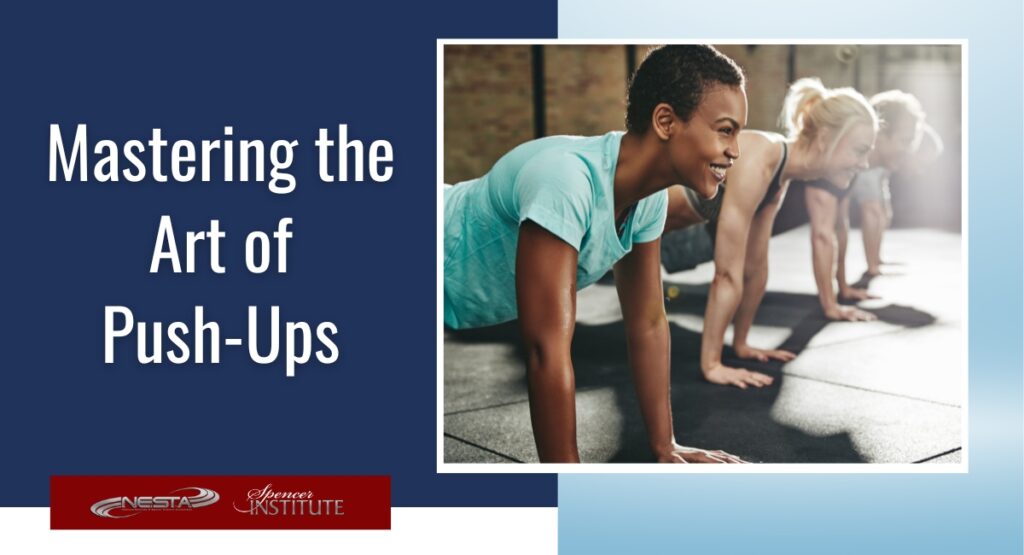
Standard push-ups are a fundamental bodyweight exercise that engages the chest, shoulders, triceps, and core. They improve upper body strength, stability, and endurance. To perform a standard push-up:
- Hand Position: Place your hands slightly wider than shoulder-width apart on the ground, with your fingers pointing forward.
- Foot Position: Extend your legs straight and balance on your toes, maintaining a plank position.
- Body Position: Keep your body in a straight line from head to heels, engaging your core and glutes for stability.
- Muscles Targeted: The standard push-up primarily targets the chest (pectoralis major), shoulders (deltoids), and triceps, effectively engaging the upper body.
Wide Push-Up: Expanding Chest Development
Wide push-ups target the chest muscles more intensely than standard push-ups. By placing your hands wider than shoulder-width apart, you emphasize the pectoral muscles, helping to broaden and strengthen the chest. To perform a wide push-up:
- Hand Position: Place your hands wider than shoulder-width apart, with fingers pointing forward or slightly outward.
- Foot and Body Position: Maintain the same foot and body position as the standard push-up.
- Muscles Targeted: The wide push-up hones in on the outer pectoral muscles, promoting a broader and more developed chest.
Diamond Push-Up: Enhancing Triceps Strength
Diamond push-ups put more focus on the triceps than standard push-ups. By placing your hands close together under your chest and forming a diamond shape with your fingers, you increase the workload on your triceps, improving their strength and definition. To perform a diamond push-up:
- Hand Position: Place your hands close together, forming a diamond shape with your thumbs and index fingers, directly under your chest.
- Foot and Body Position: Follow the same foot and body position as the standard push-up.
- Muscles Targeted: The diamond push-up targets the triceps (back of the arms) predominantly, while also engaging the chest and shoulders.
Incline Push-Up: A Beginner’s Path to Mastery
Incline push-ups are suitable for beginners or those looking to gradually build strength. By elevating your hands on a surface (e.g., a bench or a sturdy elevated platform), you decrease the percentage of body weight you’re lifting, making it easier to perform the exercise and target the upper chest. To perform an incline push-up:
- Hand Position: Place your hands on an elevated surface, such as a bench or sturdy platform, wider than shoulder-width apart.
- Foot and Body Position: Position your feet slightly wider than hip-width apart, creating a diagonal plank from head to heels.
- Muscles Targeted: The incline push-up effectively targets the chest, shoulders, and triceps while using less of your body weight for reduced intensity.
Decline Push-Up: Elevated Challenge
Decline push-ups target the upper chest and shoulders more intensely than standard push-ups. By elevating your feet on an elevated surface and placing your hands on the ground, you shift more body weight to the upper body, increasing the difficulty and enhancing muscle engagement in the upper chest and shoulders. To perform a decline push-up:
- Hand Position: Place your hands on the ground, shoulder-width apart.
- Foot and Body Position: Elevate your feet on a sturdy platform or step, creating a downward slope from head to heels.
- Muscles Targeted: The decline push-up primarily targets the upper chest and shoulders, engaging the lower chest and triceps to a lesser extent.
One-Arm Push-Up: Unleashing Advanced Strength
One-arm push-ups are an advanced variation that significantly challenges the chest, shoulders, triceps, and core. They require exceptional upper body strength, stability, and control. Performing one-arm push-ups can help develop impressive strength and balance on one side of the body. To perform a one-arm push-up:
- Hand Position: Place one hand on the ground, slightly wider than shoulder-width apart, and the other hand behind your back.
- Foot and Body Position: Position your feet hip-width apart, maintaining a straight line from head to heels.
- Muscles Targeted: The one-arm push-up targets the chest, shoulders, triceps, and core muscles, requiring exceptional strength and balance.
Resistance Band Push-Up: Intensify the Challenge
Resistance band push-ups add extra resistance to the movement, making it more challenging and beneficial for building strength and muscle. The resistance bands increase tension throughout the entire range of motion, helping to engage the muscles more effectively. To perform a resistance band push-up:
- Wrap a resistance band around your upper back and hold each end with your hands.
- Perform a standard push-up, feeling the increased tension on the upward phase.
- Muscles Targeted: Resistance bands enhance the challenge throughout the push-up motion, targeting the chest, shoulders, and triceps more effectively.
Stability Ball Push-Up: Embrace Unstable Strength
Stability ball push-ups engage the core muscles more intensively compared to standard push-ups. By placing your hands on a stability ball instead of the ground, you introduce an element of instability, forcing the core muscles to work harder to maintain balance during the exercise. To perform a stability ball push-up:
- Place your hands on the ground, shoulder-width apart, and rest your feet on a stability ball.
- Perform a standard push-up, maintaining balance and control on the unstable surface.
- Muscles Targeted: Stability ball push-ups engage the core muscles, chest, shoulders, and triceps, providing a comprehensive full-body workout.
What is the Most Effective Push-up Variation?
Mastering the art of push-ups involves exploring various push-up variations, adapting hand, foot, and body positions, and targeting specific muscle groups. The standard push-up serves as the foundation, while wide, diamond, incline, and decline push-ups offer diverse challenges to promote overall upper body strength. Advanced practitioners can aim for the ultimate feat of the one-arm push-up, which demands exceptional stability and core strength.
For beginners or individuals seeking to build strength progressively, modifications such as incline push-ups are excellent starting points. Moreover, incorporating resistance bands and stability balls provides dynamic ways to intensify the challenge and engage more muscle groups during push-ups.
With regular practice and proper form, push-ups can lead to increased upper body strength, improved muscular endurance, and enhanced overall fitness levels. As with any exercise, it’s crucial to perform push-ups safely and consult a fitness professional if you have specific training goals or concerns. So, let’s embark on this empowering journey of mastering push-ups and embracing the myriad of benefits they offer for a fitter and stronger body.
Learn more about the variety of fitness industry careers. There is always something exciting about earning a new training or coaching certification and applying that new knowledge of how you train your clients.
If you have yet to earn your professional credentials, this is critical. You need it for the safety of your client, your professional standing in the fitness industry, and liability reduction. Start with the NCCA-accredited NESTA Personal Fitness Trainer Certification.
Become a Certified Biomechanics Specialist, so you can enhance your knowledge, produce better results for your clients, and expand your fitness career options.