

Written by Mark Teahan Spencer Institute Education Director
How to Coach People With Specific Health Challenges
It happens – a coach meets with a client that throws us a curve. It may be something we have not had to work with before, or it could be something we know nothing about. After all, not all coaches will know everything about every condition or situation they encounter.
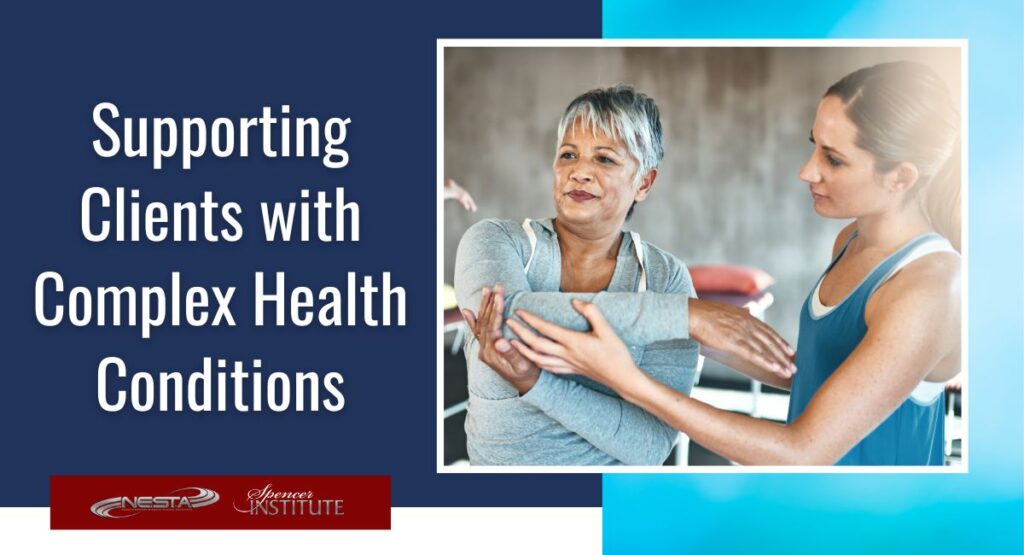
This is typically – and easily – mitigated with some research that is then fused with great coaching skills. But coaching clients with health problems requires a unique approach, one that incorporates an understanding of the individual’s medical condition, while also empowering the client to work towards their personal and professional goals.
Let’s look at some best practices for coaching clients with health problems.
How to Support a Client Who Has a New Medical Diagnosis
First, it is important to understand the client’s medical condition. This means having a basic understanding of the client’s diagnosis, as well as any limitations or restrictions that may impact their ability to achieve their goals. This information should be obtained through conversation with the client, as well as any relevant medical professionals.
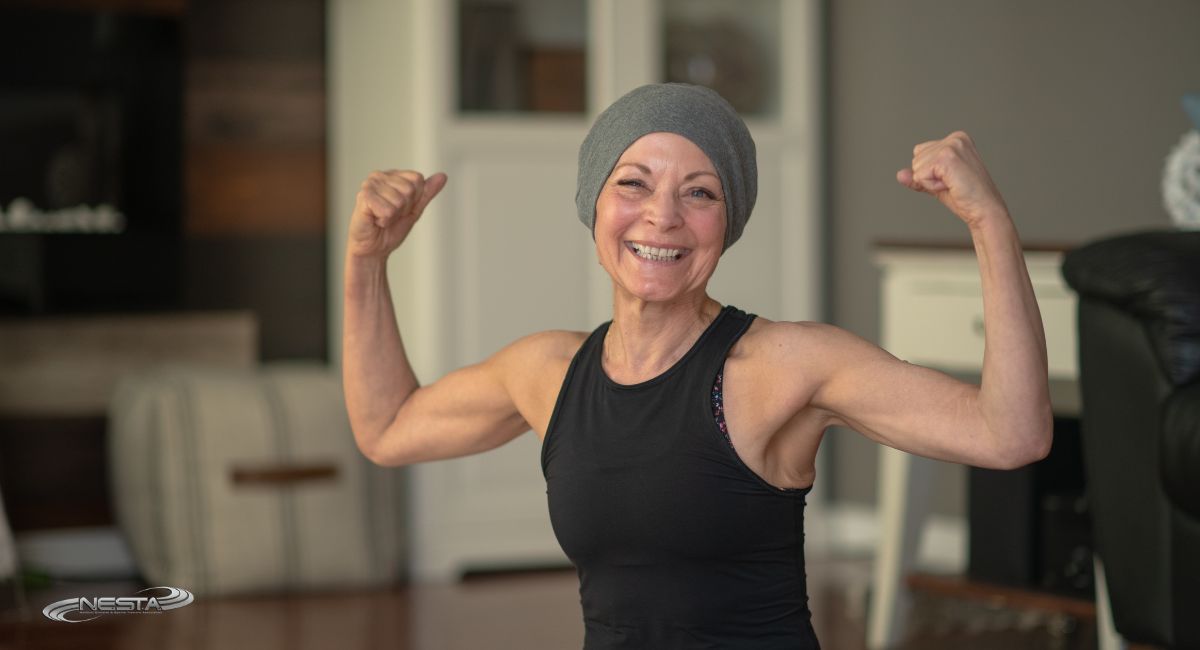
We also need to place importance on the acknowledgment of the impact of the medical condition on the client’s life. This can include physical limitations, emotional challenges, and practical obstacles. By acknowledging these challenges, the coach can work with the client to develop strategies to overcome them and achieve their goals.
Setting Health Goals with a Sick Client
Then we can get busy and work with the client to set realistic goals. This may mean adjusting the pace of progress, or re-evaluating the client’s priorities. The coach should also encourage the client to take a holistic approach to their health, which may include physical activity, diet, and stress management.
For each client, the coach should work with the client to develop a plan of action that incorporates the client’s medical condition and goals. This can include small, achievable steps, as well as regular check-ins to assess progress and make any necessary adjustments. The coach should also be prepared to modify the plan as needed, based on the client’s progress or changes in their medical condition.
Also important is the need to empower your client to take responsibility for their own health. This can involve educating the client about their condition, as well as encouraging them to be proactive in seeking out medical care and treatment. The coach should also work with the client to identify any negative thought patterns or behaviors that may be impacting their health and well-being.
Conclusion
Like all coaching, working alongside clients with health problems requires a personalized approach that takes into account the client’s medical condition and goals. So do not let the dynamics of the situation overwhelm you! Coaches still plot the same course of basic action; we must work with the client to set realistic goals, develop a plan of action, and empower the client to take responsibility for their own health. By following these best practices, coaches can help the client achieve their personal and professional goals, even in the face of health challenges.
There is much more on this topic in the Spencer Institute Holistic Nutrition Coach Certification Course. You will also learn more on related topics as part of the NESTA Fitness Nutrition Coach Certification and Lifestyle and Weight Management Specialist Certification.
NESTA and Spencer Institute has been helping people like you since 1992. To date, over 65,000 people from around the world have benefited from our various certifications, programs, continuing education courses and business development systems. We are here for you now and in the future. Feel confident in your decision to work with us as you advance your knowledge and career. We are here for you each step of the way.
Click this link to see our complete list of programs (all of which qualify for CEUs for our programs and others).
If you are a NESTA or Spencer Institute student and want to be featured on our Student Spotlight, please send an email to cs@nestacertified.com
That’s it for now.
Take action!
PS: Click here to see many helpful business/career resources