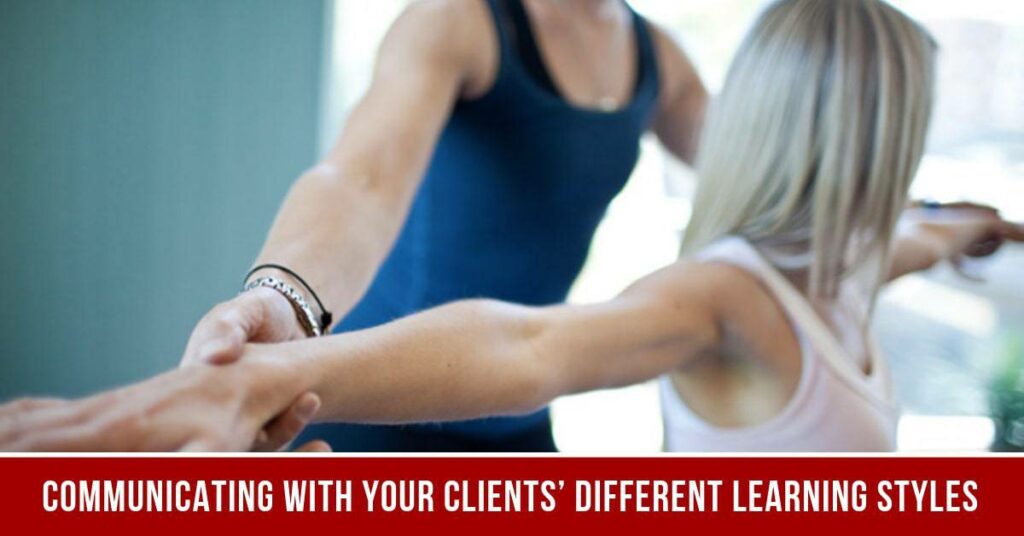

The method by which a student learns can vary depending on the student. We all process, store, and internalize information differently.
Understanding and applying the different learning styles while teaching will allow you to relate to the students, and communicate in the way they will hear you.
By speaking to all of the different learning styles during your class, you will hold an attractive class for the various learners. How you verbally describe the postures, physically perform them, and even your tone of voice can all affect the environment and way it is being interpreted by your students. The use of intentional communication can help you create a greater quality of connection in the room.
It is important to remember that these are just tendencies towards learning. They are in no way labels, who your students are, or what your students are. You are all greater than any word to describe you.
Visual Learners
Visual Learners are the ones who receive a greater understanding of the instructor’s guidance by watching one experience the posture.
As you talk through the class, find opportunities to be in front of your students and moving through the postures with them. The visual learners are able to present pictures into their mind’s eye and take advantage of your visualization cues.
Speak their language by using visual wording. Picture how this posture would look from the front of you, or even up above you. See how the structure of your body is set up at this moment. Imagine the relaxation you can experience in this space. Visualize your spine in this posture, and allow that to illuminate the minor adjustments you can make right now to be in a more beneficial position.
Auditory Learners
Auditory Learners enjoy the eclectic variety of tonality and vocal inflection during a class. The sound vibrations can intentionally be attended to these listeners with the music, your voice, and even the sound of their own breath.
They will “hear what you are saying” as the words you speak will “ring true to them.” Stay away from too much speaking in monotone and maybe add in a few vocalized exhalations throughout the class.
Listen to the sounds of your body, your breath, your heartbeat. Be all ears to the sensations in your body. Close your eyes and listen to my cues while you harmonize the movement within your body. Create an internal dance to the music as you flow through these postures.
Kinesthetic Learners
Kinesthetic learners are the feelers in the room, they prefer to complete their understanding with experience. They will “get a feel” for what you are saying and “grasp” the postures when they explore it for themselves.
Using your language to direct your students to bring more attention to their bodies at the moment, and you can create the space for these learners to deepen their understanding of your Sport yoga class.
As you feel this new posture in your body, notice how much muscular engagement you are experiencing. Tap into your present internal experience a little more. Its as if you can hold on to this relaxation for longer than this class, can’t you?
What Next?
Learn how to become a Sport Yoga Instructor. This program is a comprehensive online yoga teacher training program for fitness professionals who want to integrate yoga movements into their one-on-one training-group fitness or group exercise programs.
All NESTA courses are structured so you quickly learn and understand the training concepts, and put your new knowledge and skills to use as soon as possible. When you finish your course(s) of choice, you will be able to confidently help and guide your clients towards reaching their health and fitness dreams.