

Can Too Many Vitamin Supplements Hurt Your Liver?
Dietary supplements can have many benefits and improve overall health, fill in gaps in a lackluster diet, and greatly improve sports performance. However, with the recent increase in peptides, Selective Androgen Receptor Modulators (SARMs), and other ergogenic aids, people can quickly take too much, and cause serious damage to their liver.
What are Injectable Peptides for Sports Performance?
Injectable peptides are a type of performance-enhancing substance that is popular among athletes, bodybuilders, and fitness enthusiasts. Peptides are short chains of amino acids that can stimulate the body’s natural production of growth hormone, which can help to increase muscle mass, reduce body fat, and improve athletic performance.
Some of the most used injectable peptides for sports performance include:
- Growth Hormone-Releasing Peptide (GHRP): GHRPs are a type of peptide that stimulates the production of growth hormones in the body. They are often used to increase muscle mass, improve recovery time, and reduce body fat.
- IGF-1 (Insulin-like Growth Factor-1): IGF-1 is a naturally occurring peptide that is produced in the liver and helps to promote cell growth and division. Injectable IGF-1 is often used to increase muscle mass and improve recovery time after workouts.
- Melanotan II: Melanotan II is a peptide that is often used for its tanning properties. It can stimulate the production of melanin in the skin, which can help to darken the skin and reduce the risk of sunburn.
While injectable peptides may offer some benefits in terms of performance enhancement, there are also risks associated with their use. Injections can be painful and can cause infection or other complications if not administered correctly. In addition, the use of injectable peptides is illegal in many sports organizations and can lead to serious consequences, including suspension, fines, and legal action.
It is important to note that the long-term effects of injectable peptides on the body are not fully understood, and there is a significant lack of research on their safety and efficacy. As with any performance-enhancing substance, it is important to talk to a healthcare provider before using injectable peptides to determine if they are safe and appropriate for you.
What are the Benefits and Side-effects of SARMs (Selective Androgen Receptor Modulators)?
SARMs are a type of dietary supplement that is marketed as a safer alternative to traditional anabolic steroids. SARMs are designed to selectively target the androgen receptors in muscle tissue, which can help to enhance muscle growth and improve athletic performance.
Unlike traditional steroids, which can have serious and potentially life-threatening side effects, SARMs are believed to be safer and more selective in their actions. They are also not classified as controlled substances, which means that they can be legally purchased and used in many countries around the world.
SARMs are typically sold in capsule or liquid form and are marketed to athletes, bodybuilders, and fitness enthusiasts who are looking to enhance their performance and build muscle. Some of the most popular SARMs include Ostarine, Ligandrol, and Andarine, which are often marketed under brand names such as MK-2866, LGD-4033, and S-4, respectively.
While SARMs are often touted as a safer alternative to traditional steroids, there is still a significant lack of research on their long-term effects and safety. Some studies have suggested that SARMs can lead to muscle growth and improved athletic performance, but others have raised concerns about their potential for side effects, including liver toxicity, hormonal imbalances, and cardiovascular issues.
In addition, the FDA (Food and Drug Administration) has issued warnings about the use of SARMs, noting that they are not approved for human use and can have serious health consequences. Some manufacturers have also been found to illegally include SARMs in their products, leading to concerns about product quality and safety.
The use of dietary supplements has become increasingly popular in recent years, with many people turning to them as a means of enhancing their health and well-being. However, the misuse and overuse of these supplements can lead to serious health consequences, including liver toxicity. In this article, we will explore the dangers of liver toxicity from taking too many supplements and provide tips on how to safely use dietary supplements.
The Dangers of Liver Toxicity
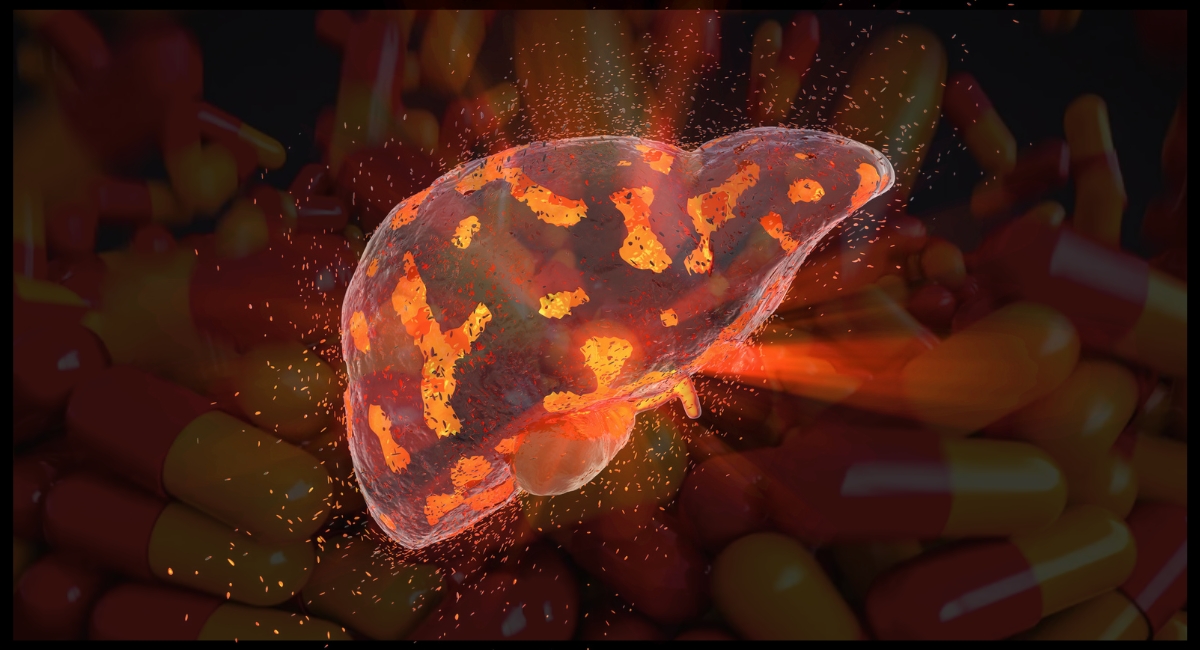
Liver toxicity is a serious condition that occurs when the liver is unable to perform its normal functions due to damage caused by toxic substances. Dietary supplements can contribute to liver toxicity when they contain certain substances, such as vitamins, minerals, and herbs, that can be harmful to the liver in large doses.
Vitamin A: One of the most common culprits of liver toxicity from supplements is vitamin A. While vitamin A is an essential nutrient that is important for healthy vision, immune function, and skin health, excessive intake of this vitamin can lead to liver damage. This is because vitamin A is stored in the liver, and high doses can cause the liver to become overwhelmed, leading to inflammation and damage to liver cells.
Iron: Another supplement that can cause liver toxicity is iron. Iron is a crucial mineral that is necessary for the formation of red blood cells and the transportation of oxygen throughout the body. However, excessive intake of iron can cause a condition called iron overload, which can damage the liver and other organs.
Herbal Supplements: Herbal supplements are also a common cause of liver toxicity. Many herbal supplements contain compounds that can be harmful to the liver, such as pyrrolizidine alkaloids, which are found in some herbs used for weight loss and liver health. Other herbs, such as kava and comfrey, have been linked to liver damage and should be used with caution.
How Can You Protect Yourself from Liver Toxicity when Taking Dietary Supplements?
The first step is to be aware of the potential risks associated with the supplements you are taking. Read the labels carefully and research the ingredients to determine if they have been linked to liver toxicity.
It is also important to take supplements only as directed and to avoid taking more than the recommended dose. If you are taking multiple supplements, be sure to keep track of the total amount of each nutrient you are consuming to ensure that you are not exceeding safe levels.
If you have a pre-existing liver condition or are taking medications that can affect liver function, you should consult with your healthcare provider before taking any dietary supplements. They can help you determine if the supplements are safe for you to use and can recommend alternative treatments if necessary.
Liver toxicity from taking too many supplements is a serious concern that should not be taken lightly. While dietary supplements can provide numerous health benefits, they can also be harmful if not used correctly. By being aware of the potential risks and following the tips outlined in this article, you can safely and effectively use dietary supplements to support your health and well-being.
What are the Signs and Symptoms of Liver Toxicity?
- Fatigue: Feeling tired or exhausted is a common symptom of liver toxicity. This is because the liver plays a key role in producing energy for the body, and when it is not functioning properly, energy levels can be affected.
- Jaundice: Jaundice is a yellowing of the skin and eyes, which is caused by a buildup of bilirubin in the body. Bilirubin is a waste product that is normally eliminated by the liver, but when the liver is damaged, it can accumulate in the body.
- Abdominal pain and swelling: Abdominal pain and swelling are common symptoms of liver toxicity. This is because the liver is in the upper right quadrant of the abdomen, and when it becomes enlarged or inflamed, it can cause discomfort.
- Nausea and vomiting: Nausea and vomiting are common symptoms of liver toxicity, as the liver plays a key role in breaking down toxins in the body. When the liver is overloaded with toxins, it can cause digestive problems.
- Loss of appetite: Loss of appetite is a common symptom of liver toxicity, as the liver plays a key role in producing bile, which is necessary for the digestion of fats.
- Dark urine: Dark urine is a sign of liver toxicity, as it can indicate the presence of bilirubin in the urine.
- Skin rash: A skin rash can be a sign of liver toxicity, as the liver plays a key role in filtering toxins from the body. When the liver is overloaded with toxins, it can cause a rash or other skin problems.
Best Ways to Naturally Detoxify Your Liver
First, if you or your client have any signs or symptoms of liver toxicity, a blood panel is needed immediately. See your doctor.
A healthy and balanced diet is essential for liver health. Include plenty of fresh fruits, vegetables, whole grains, and lean protein sources in your diet. Avoid processed foods, saturated and trans fats, and added sugars.
Drinking plenty of water helps to flush out toxins from the body, which can help to relieve the burden on the liver. Aim for at least 8-10 glasses of water per day.
Alcohol is a major toxin for the liver and can cause liver damage if consumed in excess. Limit your alcohol intake or avoid it altogether.
Regular exercise can help to improve liver health by promoting weight loss, improving insulin sensitivity, and reducing inflammation. Aim for at least 30 minutes of moderate-intensity exercise per day.
Lack of sleep can lead to inflammation and oxidative stress, which can harm the liver. Aim for at least 7-8 hours of sleep per night.
Certain herbs and supplements can help to support liver health and detoxification processes. Milk thistle, dandelion root, turmeric, and N-acetyl cysteine are some examples of liver-supporting supplements.
Minimizing exposure to toxins in your environment can help to reduce the burden on the liver. Use natural cleaning products, avoid smoking, and limit exposure to pesticides, chemicals, and pollutants.
REMEMBER: Whole food, organic ingredients, and locally grown produce is always best to improve health, and sports performance and keep your liver healthy. Supplements can improve health and performance. Yet, you must be careful. Always err on the side of caution.
Learn how to properly educate your clients on nutrition and supplementation and healthy eating habits for the following educational courses:
- Holistic Nutrition Coach Certification
- Lifestyle and Weight Management Specialist Certification
- Fitness Nutrition Coach Certification
- Sports Nutrition Specialist Certification
Be on the lookout for future articles. You will also want to search through the archives of our blog because there are many other articles that go into great depth about a variety of topics.
There is always something exciting about earning a new training or coaching certification and applying that new knowledge of how you train your clients. This also helps you hit the reset button.
NESTA and Spencer Institute has been helping people like you since 1992. To date, over 65,000 people from around the world have benefited from our various certifications, programs, continuing education courses, and business development systems. We are here for you now and in the future. Feel confident in your decision to work with us as you advance your knowledge and career. We are here for you each step of the way.
Click this link to see our complete list of programs (all of which qualify for CEUs for our programs and others).
That’s it for now.
Take action!
PS: Click here to see many helpful business/career resources