


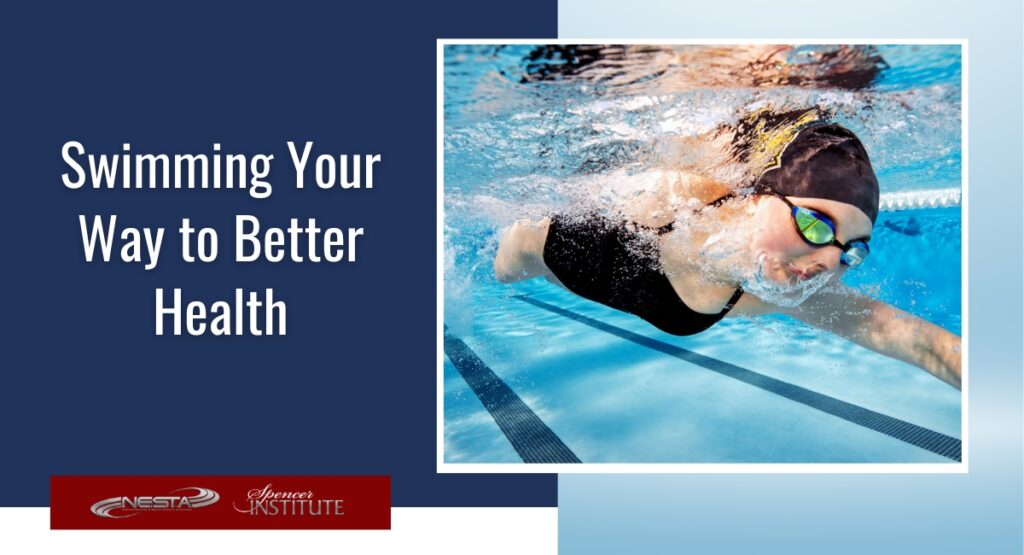

The Benefits of Swimming: Dive into a Healthy Lifestyle
As a personal trainer or health coach, you’re constantly on the lookout for effective exercise recommendations to optimize your clients’ fitness journeys. Look no further! Swimming, a popular form of exercise and a refreshing recreational activity offers a multitude of benefits for individuals of all ages and fitness levels. Whether your clients are competitive athletes, fitness enthusiasts, or individuals seeking a low-impact workout, swimming provides a comprehensive solution.
Physical Benefits of Swimming
Full-body workout: Swimming engages multiple muscle groups simultaneously, providing a comprehensive cardiovascular and strength-building workout. The resistance of the water forces the body to work harder, leading to improved muscle tone, strength, and endurance. Different swimming strokes, such as freestyle, backstroke, breaststroke, and butterfly, target specific muscle groups, ensuring a balanced workout.
Low-impact exercise: Unlike high-impact activities such as running or weightlifting, swimming puts minimal stress on the joints, making it an excellent choice for individuals with joint pain, arthritis, or those recovering from injuries. It allows for increased mobility and flexibility without risking further damage. The buoyancy of water reduces the effects of gravity, providing a supportive environment for those with physical limitations.
Enhanced cardiovascular health: Swimming is a fantastic way to improve cardiovascular fitness. The continuous movement against the water’s resistance elevates the heart rate, strengthening the heart muscle, improving circulation, and enhancing lung capacity. Regular swimming reduces the risk of cardiovascular diseases, such as high blood pressure, heart attacks, and strokes. It also helps regulate cholesterol levels and improves the body’s ability to utilize oxygen.
Weight management: Swimming is an effective calorie burner. Depending on the intensity and duration of the swim, it can help maintain a healthy weight or aid in weight loss. The water’s buoyancy reduces the impact on the body, allowing individuals of all sizes to engage in a challenging workout without excessive strain. Swimming also improves metabolism and promotes lean muscle development, contributing to long-term weight management.
Rehabilitation and injury prevention: Swimming is widely used in rehabilitation programs due to its low-impact nature and ability to strengthen muscles without placing excessive stress on injured areas. It helps improve range of motion, joint flexibility, and muscular strength. Furthermore, swimming can be used as a preventative measure against future injuries by strengthening the muscles supporting the joints and improving overall stability.
Mental Benefits of Swimming
Stress reduction: Swimming has a remarkable ability to reduce stress levels. The rhythmic movements and the sensation of water enveloping the body create a calming effect, promoting relaxation and relieving tension. Moreover, the release of endorphins during exercise improves mood and contributes to a sense of well-being. Swimming in natural settings, such as lakes or oceans, adds the additional therapeutic benefit of connecting with nature.
Improved mental acuity: Regular swimming has been shown to enhance cognitive function and memory. The increased oxygen flow to the brain, coupled with the calming nature of water, can lead to improved focus, mental clarity, and overall cognitive performance. Swimming also stimulates the release of chemicals in the brain, such as serotonin and dopamine, which help reduce anxiety and boost mood.
Better sleep quality: Engaging in regular physical activity like swimming has been linked to improved sleep patterns. The exertion and relaxation experienced during swimming help individuals achieve deeper and more restorative sleep, leading to increased energy levels and overall mental well-being. Swimming can help regulate the sleep-wake cycle and reduce symptoms of insomnia.
Mental resilience: The rhythmic nature of swimming allows individuals to focus on their breathing and body movements, promoting a meditative state. This mindfulness practice can help individuals develop mental resilience, improve coping mechanisms, and enhance overall mental health.
Socializing and building connections: Whether through joining a swim team, participating in water aerobics classes, or simply swimming with friends, it offers a platform to meet new people, form friendships, and foster a sense of community. Swimming clubs and organizations organize events and competitions that encourage camaraderie and teamwork. Swimming is also a sport that transcends age, ability, and body type. It is an inclusive activity that can be enjoyed by individuals of all backgrounds and fitness levels. This inclusivity makes it an ideal exercise for families, friends, and communities to engage in together, promoting bonding and mutual support. Swim lessons and water safety programs provide valuable skills and ensure water competency for individuals of all ages.
Blueprint for Starting a Swimming Program for Fitness
As a personal trainer recommending a swimming program for your client’s exercise routine, here are some suggestions you could provide:
- Start with a Skill Assessment: Evaluate your client’s current swimming abilities, including their technique, endurance, and comfort level in the water. This will help you tailor the program to their specific needs. Emphasize the importance of water safety and ensure your client feels confident in the water. Encourage them to practice proper breathing techniques, maintain awareness of their surroundings, and consider swimming in supervised areas.
- Set Clear Goals: Work with your client to establish their fitness goals related to swimming. It could be improving cardiovascular endurance, increasing swim distance, mastering specific strokes, or participating in a swimming event. Setting clear goals will keep them motivated and focused.
- Establish a Consistent Schedule: Create a swimming schedule that aligns with your client’s availability and fitness routine. Consistency is key to progress, so aim for a realistic and manageable frequency of swimming sessions per week.
- Focus on Technique: Emphasize the importance of proper swimming technique to maximize efficiency and prevent injuries. Provide guidance on body positioning, breathing patterns, and stroke mechanics. Consider incorporating drills and exercises that target specific aspects of their technique.
- Gradual Progression: Start with shorter swimming distances or intervals and gradually increase the duration and intensity over time. Monitor their progress and adjust the program accordingly. Incorporate interval training, speed work, and longer endurance swims as they improve.
- Include Warm-up and Cool-down: Encourage your client to perform a proper warm-up before each swimming session to prepare their muscles and joints. A dynamic warm-up routine that includes stretching, mobility exercises, and light swimming will help prevent injuries. Similarly, suggest a cool-down routine that includes gentle swimming and stretching to aid in recovery.
- Strength and Conditioning: Supplement swimming with strength and conditioning exercises to enhance overall fitness and swimming performance. Include exercises that target core strength, upper body, and lower body muscles to improve power, stability, and endurance in the water.
- Provide Variety: Keep the program engaging by introducing different swimming drills, strokes, and training sets. Variety not only prevents boredom but also challenges different muscle groups and promotes overall skill development.
- Recovery and Injury Prevention: Educate your client on the importance of post-swim recovery. Advise them to stretch, hydrate, and refuel with nutritious meals or snacks after swimming. Address any concerns they may have about potential swimming-related injuries and provide guidance on injury prevention strategies.
- Enjoyment and Long-Term Engagement: Encourage your client to find joy in swimming by selecting activities they enjoy, such as swimming with friends, exploring new aquatic environments, or participating in swimming events. Foster a positive and supportive atmosphere to keep them engaged in their swimming program.
Remember, it’s essential to consider your client’s individual needs, fitness level, and any pre-existing conditions when designing a swimming program. Adjust and modify the program as needed based on their progress and feedback.
Resources for Trainers and Coaches
Swimming stands out as an exceptional exercise with a multitude of benefits. From the physical advantages of a full-body workout and low-impact exercise to the mental benefits of stress reduction and improved cognitive function, swimming provides a holistic approach to fitness and well-being. Additionally, its social aspect fosters connections and promotes a sense of belonging. So, if you’re searching for a versatile and enjoyable way to improve your health and enhance your overall quality of life, take the plunge and dive into the countless benefits of swimming.
If you have yet to earn your professional credentials, this is critical. You need it for the safety of your client, your professional standing in the fitness industry, and liability reduction. Start with the NCCA-accredited NESTA Personal Fitness Trainer Certification.
Here is more information to help you. Read this next lesson on how to feel confident and have a successful interview for your first job at a gym.
Be on the lookout for future articles. You will also want to search through the archives of our blog because there are many other articles that go into great depth about a variety of topics. Here are two for you to check out now!
- A Case for Outdoor Fitness
- How Do I Start a Successful Personal Training Business?
- The Mindset of a Successful Certified Personal Fitness Trainer
Thanks for reading!