


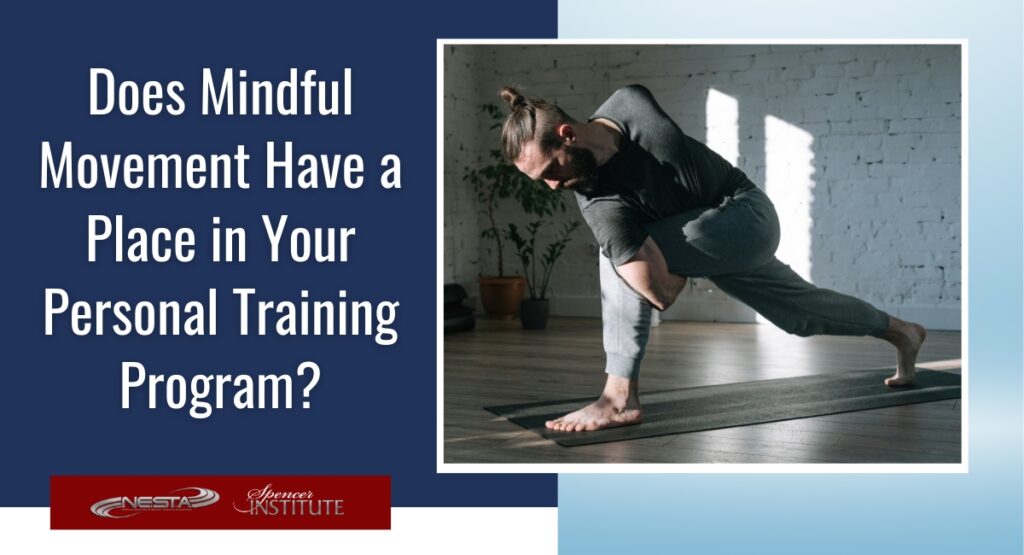

The Benefits of Applying Mindfulness to Exercise
Exercise and Personal Training are excellent for improving your physical and mental health. Not only does regular physical activity help you maintain a healthy weight, reduce your risk of chronic diseases, and improve your cardiovascular health, but a personal trainer can tailor a fitness program to specific needs, goals, and fitness levels, ensuring that the program is safe, effective, and enjoyable. However, it’s easy to fall into the trap of going through the motions during a workout, without really being present in the moment. This is where mindful movement comes in.
Mindfulness vs Mindful Movement
Mindfulness is the practice of paying attention to the present moment, without judgment. It has become increasingly popular in a variety of settings, including healthcare, education, and the workplace. When you are mindful, you are fully engaged in what you are doing, without being distracted by thoughts or worries about the past or future. It is often cultivated through meditation practices that focus on breath or body sensations.
Mindful movement refers to a type of physical activity that is practiced with an emphasis on present-moment awareness, non-judgment, and intentional movement. This approach to movement involves paying close attention to the body and its sensations, movements, and postures, while also staying focused on the breath and the present moment.
Examples of mindful movement practices include yoga, tai chi, qigong, and other forms of gentle movement or meditation-based exercises. These practices are often characterized by slow, deliberate movements that are synchronized with the breath, and they can be adapted to suit individuals of all ages and physical abilities.
How are Mindfulness and Mindful Movement Connected?
Both mindfulness and mindful movement practices can help to cultivate a sense of calm and relaxation, reduce stress and anxiety, and improve overall well-being. When practiced together, mindfulness and mindful movement can complement and enhance each other’s effects. For example, mindfulness meditation can help individuals to bring greater awareness and attention to their movements during mindful movement practices, while mindful movement can provide a physical outlet for the mental focus and relaxation cultivated through mindfulness meditation. Together, these practices can promote a deeper sense of mind-body connection, as well as a greater sense of overall health and well-being.
One study published in the Journal of Health Psychology found that participants who practiced mindfulness during their exercise sessions experienced greater positive affect (i.e. mood) than those who exercised without mindfulness. Additionally, the mindful exercisers reported lower levels of perceived exertion, suggesting that mindfulness may help individuals to perceive their workouts as less effortful and more enjoyable.
Another study published in the Journal of Sport and Exercise Psychology found that mindfulness-based interventions for athletes led to improvements in athletic performance, as well as reductions in stress and anxiety. The researchers suggested that mindfulness may help athletes to better regulate their attention, thoughts, and emotions during high-pressure situations, allowing them to perform at their best.
Mindful Movement Origins
The concept of mindful movement has its roots in ancient Eastern practices such as yoga, tai chi, and qigong, which have been used for centuries to promote physical and mental health.
Yoga, for example, originated in India over 5,000 years ago and has been practiced as a form of meditation and exercise ever since. The practice of yoga involves holding various postures while focusing on the breath, which helps to quiet the mind and cultivate a sense of inner awareness and presence.
If you are interested in learning more or starting a yoga practice, you will want to check out the Sport Yoga course.
Tai chi and qigong are also ancient practices from China that involve slow, deliberate movements and breathwork. These practices have been used for centuries to promote physical health, mental clarity, and spiritual development.
In the West, the concept of mindful movement began to gain popularity in the 20th century, particularly in the field of somatics. Somatics is a field of movement education that focuses on the awareness of internal bodily sensations and movement patterns as a way of improving physical function and overall well-being.
In the 1960s, the American dancer and somatics pioneer, Bonnie Bainbridge Cohen, developed the Body-Mind Centering approach, which emphasizes the use of mindful movement to cultivate a deeper awareness of the body and its movements. This approach has been widely adopted in the fields of dance, physical therapy, and somatics.
Another influential figure in the field of mindful movement is Moshe Feldenkrais, who developed the Feldenkrais Method in the 1940s. This approach uses gentle, slow movements to improve body awareness, mobility, and coordination. The Feldenkrais Method has been used to treat a wide range of conditions, including chronic pain, neurological disorders, and musculoskeletal injuries.
In recent years, the concept of mindful movement has become increasingly popular in the fitness world. Many exercise programs, such as Pilates, barre, and functional training, incorporate elements of mindfulness, such as breathwork and movement awareness, to enhance the physical and mental benefits of the workout. It is recognized as a powerful tool for improving physical function, reducing stress and anxiety, and cultivating a greater sense of well-being.
Why is Mindful Movement Gaining Popularity?
Mindful movement or exercise can be beneficial and accessible for a wide range of demographics, including those who are new to fitness, older adults, individuals with disabilities, and those dealing with mental health challenges.
For beginners, mindful exercise can be a great way to start a fitness routine, as it allows them to focus on their body and breath, which can help to reduce anxiety and increase confidence. Mindful exercise also encourages individuals to move at their own pace and tune in to their own body, which can be especially helpful for those who are unfamiliar with their physical capabilities.
For older adults, mindful exercise can be a great way to improve balance, mobility, and overall physical function. Mindful movement programs such as Tai Chi have been shown to improve balance, reduce falls, and enhance overall well-being in seniors and older adults. Additionally, mindful exercise can help to reduce stress and anxiety, which can be especially beneficial for older adults who may be dealing with age-related health concerns.
Check out this article to learn more about Creating an Effective Exercise Program for Senior Clients.
For individuals with disabilities, mindful exercise can be a great way to improve physical function and overall well-being. Many mindful exercise programs, such as yoga and Pilates, can be adapted to meet the needs of individuals with disabilities and can be performed in a seated or lying position. Additionally, mindful exercise can help to improve body awareness, which can be especially beneficial for those with sensory or motor impairments.
For those dealing with mental health challenges, mindful exercise can be a powerful tool for reducing stress, anxiety, and depression. Mindful exercise encourages individuals to focus on their breath and body sensations, which can help to quiet the mind and promote a sense of calm. They can also help improve body image and self-esteem, which can be especially beneficial for those dealing with mental health challenges.
How to Practice Mindfulness When You Exercise
Incorporating mindfulness into your exercise routine can help you stay present, focused, and engaged in your workout, making it more effective and enjoyable.
Here are some tips for how to incorporate mindfulness and mindful movement into your training program or exercise routine:
- Start with a Mindful Warm-up: Before you begin your workout, take a few minutes to do a mindful warm-up. This can involve simple stretches, such as reaching your arms up overhead and twisting gently from side to side, while paying attention to your breath and the sensations in your body. By starting your workout with a mindful warm-up, you’ll be more likely to stay present and focused throughout your entire workout.
- Focus on Your Breath: Your breath is always with you, and it can be an excellent anchor for mindfulness during your workout. Throughout your exercise routine, focus on your breath, noticing how it feels as it moves in and out of your body. You might count your breaths, inhaling for a count of four and exhaling for a count of six, for example. Focusing on your breath can help you stay present and focused, and it can also help you regulate your breathing, which can be helpful during more challenging exercises.
- Pay Attention to Your Body: During your workout, pay attention to the sensations in your body. Notice the feeling of your feet on the ground, the tension in your muscles, and the movement of your body through space. Be aware of any discomfort or pain, and adjust your movements as needed. When you pay attention to your body, you’ll be more likely to stay present and focused, and you’ll also be able to prevent injuries by avoiding movements that don’t feel right for your body.
- Practice Mindful Movement: Mindful movement involves paying attention to the movements of your body as you perform your exercises. Instead of going through the motions, be fully present in each movement, noticing the way your muscles contract and relax, the way your joints move, and the way your body feels as you move. Mindful movement can be applied to any type of exercise, whether you’re running, lifting weights, or doing yoga.
- Use Visualization: Visualization is a powerful tool for mindfulness during exercise. Before you begin your workout, take a few minutes to visualize yourself completing your workout with ease and confidence. Imagine yourself moving smoothly through each exercise, feeling strong and capable. Visualization can help you stay focused and motivated throughout your workout, and it can also help you improve your performance by enhancing your mind-body connection.
- Embrace the Moment: One of the most powerful aspects of mindfulness is the ability to embrace the present moment. During your workout, let go of worries about the past or future, and be fully present in the moment. This means focusing on the sensations in your body, the movement of your breath, and the environment around you. By embracing the moment, you’ll be more likely to enjoy your workout and feel a sense of accomplishment when you’re done.
Does Mindfulness Have a Place in Your Personal Training Program?
Incorporating mindful movement practices into your clients’ fitness routines can be a powerful tool for enhancing their physical and mental well-being. By encouraging individuals to focus on present-moment awareness, non-judgmental observation of their thoughts, feelings, and bodily sensations, and intentional movement, you can help them to cultivate a deeper sense of mind-body connection, reduce stress and anxiety, and improve their overall health and well-being.
Whether it’s through yoga, tai chi, or other forms of mindful movement, these practices offer a unique opportunity for individuals to connect with their bodies in a deeper way, improve their physical fitness, and promote a sense of inner peace and relaxation. By incorporating mindful movement into your clients’ fitness routines, you can help them to achieve a healthier, happier, and more balanced life.
If you haven’t yet established your foundational knowledge of training, the NESTA Personal Fitness Trainer Course (PFT) would be where you need to start. Once you have the PFT completed, the Sports Yoga course and the Mind Body Fitness program from the Spencer Institute would be a great option for a coach or trainer who was interested in incorporating mindful movement into their practice.
If this topic interests you, you will want to check out these other articles:
- Benefits of Pilates for Athletes and Dancers
- The Future of the Fitness Industry Including Employment Opportunities
- Can You Lose Weight With Low-Impact Workouts?
If you have any questions about this topic or others, or if you want to learn more about our other programs please give us a call. We are here to help!