

As a Nutrition Coach, Certified Personal Trainer, or Holistic Nutrition Coach, you understand the challenges many clients face when trying to lose weight. While calorie counting can be a helpful tool, it’s crucial to remember that it’s just one piece of the puzzle. A balanced diet, regular physical activity, and sustainable lifestyle changes are equally important for long-term success.
Here are some key points to share with your clients:
Personalized Nutrition
- Caloric Needs: Emphasize that calorie needs vary based on factors like age, sex, activity level, and metabolism. It’s essential to determine individual caloric needs to set realistic and achievable goals.
- Macronutrient Balance: Encourage a balanced intake of macronutrients (carbohydrates, proteins, and fats) to support overall health and weight management.
- Quality Over Quantity: Highlight the importance of choosing nutrient-dense foods, even within calorie limits, to optimize health and satiety.
Beyond Calorie Counting
- Mindful Eating: Promote mindful eating practices, such as paying attention to hunger and fullness cues, eating slowly, and savoring meals.
- Stress Management: Address the role of stress in weight management and encourage stress-reduction techniques like meditation, yoga, or spending time in nature.
- Sleep: Emphasize the importance of adequate sleep for weight regulation and overall well-being.
Macro Counting
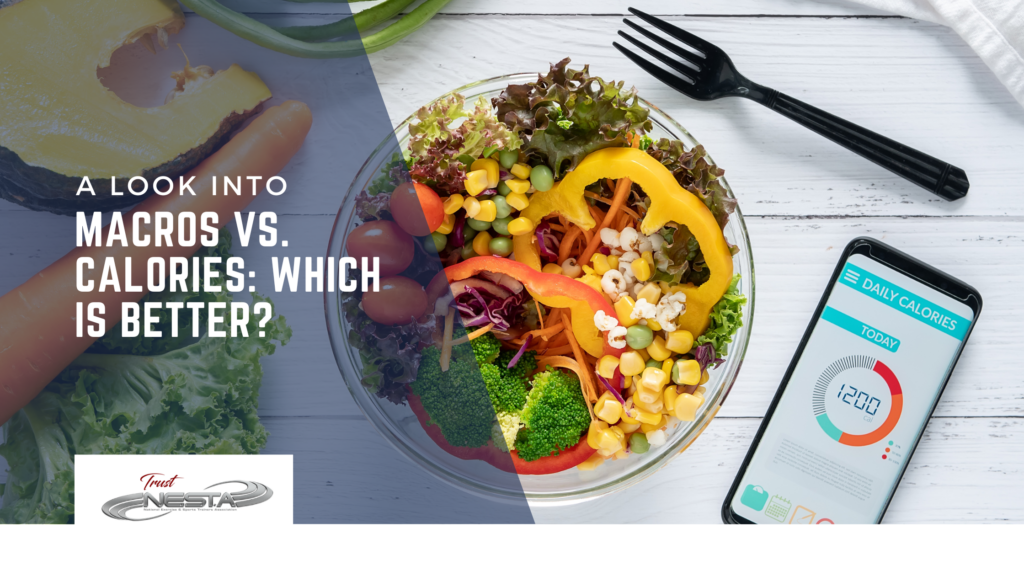
Macro counting involves tracking your intake of macronutrients—protein, carbohydrates, and fats—to achieve specific health and fitness goals. While there are general guidelines, the ideal macronutrient breakdown for each individual can vary based on factors like activity level, metabolism, and body composition goals.
A Common Starting Point
A popular starting point for many people is a macronutrient ratio of:
- 50% Carbohydrates
- 30% Protein
- 20% Fat
For example, on a 1800-calorie diet, this would translate to:
- Carbohydrates: 900 calories (225 grams)
- Protein: 540 calories (135 grams)
- Fat: 360 calories (40 grams)
Why Macro Counting Works:
- Personalized Nutrition: By tailoring your macronutrient intake to your specific needs, you can optimize your body composition and overall health.
- Enhanced Performance: Proper macronutrient balance can fuel your workouts, improve recovery, and boost athletic performance.
- Weight Management: Macro counting allows you to control your calorie intake and energy expenditure, making it a valuable tool for weight loss or gain.
Key Tips for Success:
- Quality Over Quantity: Prioritize nutrient-dense foods like lean proteins, complex carbohydrates, and healthy fats.
- Listen to Your Body: Pay attention to hunger and fullness cues, and adjust your intake accordingly.
- Seek Professional Guidance: A registered dietitian or certified personal trainer can help you create a personalized macro counting plan.
- Track Your Progress: Use a food tracking app or journal to monitor your intake and make adjustments as needed.
By combining a personalized approach with a holistic view of health and wellness, you can empower your clients to achieve their weight management goals and improve their overall quality of life.
Professional Guidance
- Personalized Plans: As a nutrition coach, certified personal trainer, or personal fitness chef, you can provide personalized guidance and support to help clients develop sustainable eating and exercise habits.
- Regular Check-ins: Regular check-ins can help monitor progress, address challenges, and make necessary adjustments to the plan.
How You Can Help
If you want to help clients with food, diet, weight management and improving the results of their fitness routines, the Fitness Nutrition Coach course is for you. You will learn about optimal nutrition, including proven techniques for increasing energy, optimal health and decreased dependence on medications. Instantly increase your job and career opportunities with this popular professional credential.
Check out what it takes to start a career in personal fitness training. This is your most affordable and fastest way to become a highly qualified personal trainer.
NESTA coaching programs are open to anyone with a desire to learn and help others. There are no prerequisites.
PS: Click here to see many helpful business/career resources